Category Archives: Guide

How to Choose a Tea Set for Beginners: Step-by-Step Guide

How to Choose a Tea Set for Beginners: Step-by-Step Guide

How to Choose a Tea Set for Beginners: Step-by-Step Guide

Key Takeaways

  • A beginner tea set needs only 4-5 core pieces to brew well from day one.
  • Glass is the most beginner-friendly material because it reveals the brewing process and does not absorb flavor.
  • Buying a mismatched set is the single most expensive mistake new tea drinkers make.
  • Teapot capacity should match your daily consumption, not your visual preference.
  • Skip decorative accessories until you have brewed at least 30 cups and know your taste.

Choosing a tea set for beginners comes down to matching material, size, and function to your daily habits rather than collecting the most beautiful pieces. A small, well-matched starter set will outperform a flashy mismatched collection every time, and you will spend less money learning what you actually enjoy drinking. This guide walks you through every decision so you can start brewing with confidence today.

Table of Contents

  • What a Beginner Tea Set Should Include
  • The Best Materials for a First Tea Set
  • Glass vs. Ceramic vs. Cast Iron: Which Material Wins for Beginners?
  • How to Match Teapot Size to Your Brewing Style
  • Essential Accessories You Actually Need (and Five You Do Not)
  • Common Mistakes Beginners Make When Buying a Tea Set
  • How to Build a Daily Brewing Routine With Your New Set
  • Where to Find a Pre-Matched Tea Set for Beginners
  • Frequently Asked Questions
  • Final Thoughts

What a Beginner Tea Set Should Include

A complete tea set for beginners contains exactly four functional pieces: a brewing vessel, an infuser, a fairness cup, and small drinking cups. Everything beyond these four categories is optional and can be added once you understand your personal brewing style and tea preferences.

The brewing vessel is the heart of any starter set. For most people drinking tea at home, a glass teapot hits the sweet spot between ease of use and visual learning because you can watch the leaves unfurl, see the color deepen, and know exactly when to stop steeping. According to Wikipedia’s overview of tea, visual cues like leaf expansion and color change are the traditional signals Chinese tea masters used long before thermometers and timers existed.

The infuser separates loose leaves from the liquid. Built-in stainless steel mesh strainers are easier to clean than ball-shaped infusers because they expose more leaf surface to water and have fewer crevices where tannins build up over time.

The fairness cup (gong dao bei) is the piece most beginners skip and later regret, even though it is central to the traditional tea ceremony. It is a small spouted pitcher that catches the brewed tea after steeping. Pouring the tea into it stops the brewing process instantly, so the last cup tastes as balanced as the first. Without a fairness cup, the leaves keep sitting in hot water and the final pour turns bitter.

Small drinking cups, usually 50 to 80 milliliters each, are essential because large mugs trap heat and aromatics in ways that flatten delicate teas. Smaller cups keep the tea hotter for longer and let you smell the aroma before each sip, which is half the experience of drinking whole-leaf tea.

Minimum Starter Checklist

  • 1 brewing vessel (a 600-800ml glass teapot is the safest first choice)
  • 1 removable mesh infuser or built-in strainer
  • 1 fairness cup with a spout, around 200-300ml
  • 4 to 6 small drinking cups in the 50-80ml range

The Best Materials for a First Tea Set

Glass, porcelain, and glazed ceramic are the three safest tea set materials for beginners because they do not react with tea and do not absorb flavor from previous brews. Cast iron, unglazed clay, and raw metal should be avoided until you have brewed at least a few dozen cups and know which tea you want to commit to long term.

Glass is the most beginner-friendly option. Borosilicate glass handles boiling water without cracking, shows the brewing process in real time, and rinses clean in seconds. It also does not retain flavors, so you can brew green tea in the morning and black tea in the evening without any cross-contamination.

Porcelain and glazed ceramic are the traditional choice and work beautifully for any tea type. They retain heat slightly better than glass, feel more substantial in the hand, and come in endless designs. The downside is that you cannot see the leaves, so beginners often over-steep and get bitter results without understanding why.

Cast iron teapots, also called tetsubin, are durable and retain heat extremely well, but they are not ideal for green or white tea. The iron raises the pH of the water slightly, which dulls delicate flavors. They are also heavy, require careful drying to prevent rust, and the interior must be enamel-lined if you want to brew tea in them rather than just boil water.

Unglazed Yixing clay teapots are the most respected vessel in Chinese tea culture, but they are absolutely not beginner-friendly. Each pot absorbs the flavor of one tea type and must be dedicated to it forever. A beginner who buys a Yixing pot for oolong and then brews pu-erh in it will permanently ruin the pot.

Material Comparison at a Glance

  • Glass: best for learning, neutral taste, fragile, easy to clean
  • Porcelain: traditional, neutral, opaque, heat-retaining, easy to clean
  • Cast iron: heavy, durable, best for black tea only, requires enamel lining
  • Yixing clay: porous, single-tea dedicated, not suitable for beginners

Glass vs. Ceramic vs. Cast Iron: Which Material Wins for Beginners?

Glass wins the beginner category outright because it teaches you how tea brews while requiring the least maintenance. Porcelain is a close second for drinkers who prefer a traditional feel, and cast iron should wait until you know which tea you plan to drink every day.

The single biggest advantage of glass is feedback. You can see the leaves expand, watch the color shift from pale yellow to deep amber, and stop the steep the moment the color looks right. This visual feedback loop is how most experienced tea drinkers actually time their brews, and it is impossible with an opaque vessel.

Cleaning is the second decisive factor. Glass teapots can be rinsed under hot water with a soft sponge and air-dried in minutes. Porcelain requires the same care. Cast iron must be dried immediately and thoroughly after every use, or the interior rusts. A beginner who is already balancing work, family, and a new habit does not need this extra step.

Weight and safety matter too. A 700ml cast iron teapot weighs roughly 1.5 kilograms empty, which is uncomfortable for daily handling and risky around children or pets. A glass teapot of the same capacity weighs around 400 grams, and a porcelain one around 600 grams.

The one scenario where cast iron makes sense for a beginner is if you only plan to drink roasted oolong or black tea, you brew in cold weather, and you are willing to dry the pot after every use. For everyone else, glass is the rational first choice.

When Each Material Makes Sense

  • Choose glass if you are brewing multiple tea types or want to learn visually.
  • Choose porcelain if you want a traditional feel and do not need to see the leaves.
  • Choose cast iron only if you are brewing roasted or black tea exclusively and accept the maintenance.

How to Match Teapot Size to Your Brewing Style

The right teapot size for a tea set for beginners depends on how many cups you actually drink per sitting, not how many guests you imagine hosting someday. A 300-500ml teapot suits a solo drinker, a 600-800ml pot works for one or two people, and anything over 1000ml is for families or small offices.

Solo drinkers who want one or two cups in the morning should choose a 350-500ml teapot. This size brews fast, stays hot for the duration of one cup, and leaves little leftover tea that has to be discarded. Smaller pots also encourage the gongfu style of brewing, where you make multiple short infusions of the same leaves, which is the most efficient way to taste subtle flavors.

Couples or roommates who share tea should choose 600-800ml. This capacity brews three to five cups of 150ml each, which is enough for two people to enjoy two cups each during a relaxed morning. It is also the size where glass teapots are most stable and least likely to tip.

Families or small offices need 1000-1500ml. Anything larger becomes hard to lift, slow to pour, and difficult to clean properly. Big pots also stay full longer, which means the last cups of tea are noticeably weaker than the first unless you use a fairness cup to decant them all at once.
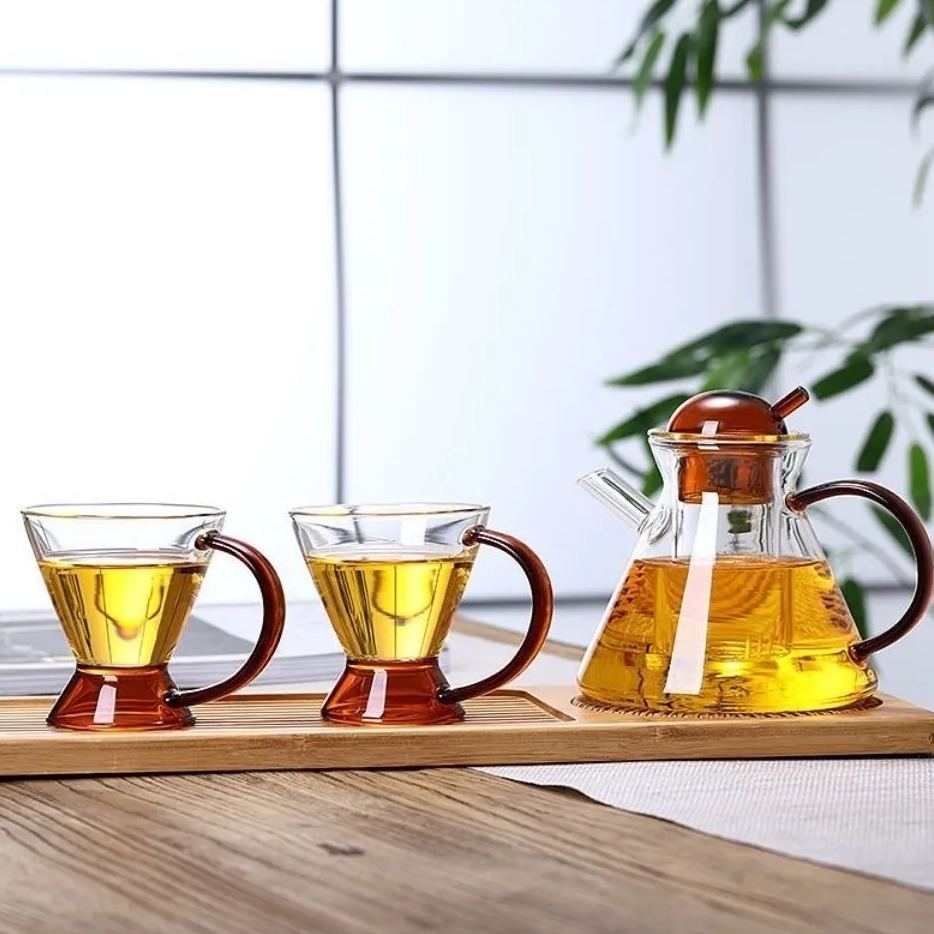
Glass vs Ceramic Teaset: Which Should You Buy in 2026?

Glass vs Ceramic Teaset: Which Should You Buy in 2026?

Glass vs Ceramic Teaset: Which Should You Buy in 2026?

Key Takeaways

  • A glass teaset is the right choice if you value visual brewing clarity and clean, neutral flavor; a ceramic teaset is the right choice if you prioritize heat retention and traditional depth.
  • Borosilicate glass handles thermal shock up to 300°F without cracking, while porcelain ceramic can keep tea hot for 30–60 minutes versus 15–20 minutes for glass.
  • Glass is ideal for green tea, white tea, and blooming teas where color and leaf unfurling matter; ceramic is better for black tea, oolong, and pu-erh where steady heat releases flavor.
  • Both materials are food-safe when sourced from reputable makers; avoid lead-glazed ceramics and untempered glass to protect your health.
  • For a complete daily ritual in 2026, a borosilicate glass teapot set offers the best balance of function, beauty, and easy maintenance.

The glass vs ceramic teaset decision comes down to one clear question: do you want to watch your tea brew or keep it piping hot longer? In 2026, both materials have matured into premium, food-safe, beautifully designed options, but they deliver fundamentally different daily experiences. This guide breaks down the real differences in heat retention, flavor impact, durability, and price so you can match the right teaset to your tea ritual with confidence.

You will learn exactly how each material affects brewing temperature, which teas taste best in which vessel, what the safety data says about food contact, and where to spend your money for the best long-term value. Whether you are buying your first teaset or upgrading a daily driver, the answer is simpler than the marketing makes it sound.

Table of Contents

Glass vs Ceramic Teaset: The 2026 Comparison at a Glance

A glass teaset wins on visual clarity, clean flavor, and modern aesthetics, while a ceramic teaset wins on heat retention, traditional feel, and long sipping sessions. These are not minor differences; they shape every cup you brew. Before diving into the science, here is the side-by-side snapshot that most buyers actually need.

  • Heat retention: Ceramic keeps tea hot 2–3x longer than glass because the thick clay walls store thermal energy.
  • Flavor neutrality: Glass is 100% non-reactive and adds zero taste; ceramic is mostly neutral but can absorb trace aromatics over time.
  • Visual brewing: Only glass lets you watch leaves unfurl, color develop, and strength peak in real time.
  • Durability against impact: Ceramic chips rather than shatters, making it safer around clumsy hands and stone countertops.
  • Durability against thermal shock: Borosilicate glass survives sudden temperature changes up to 300°F; ceramic cracks from rapid shifts.
  • Best for tea type: Glass suits green, white, and blooming teas; ceramic suits black, oolong, and pu-erh.
  • Price range (2026): Glass $25–$160; ceramic $30–$220, with hand-thrown artisan pieces pushing higher.
  • Maintenance: Glass shows residue immediately and wipes clean; ceramic hides buildup under the glaze line if neglected.

This table is the shortcut, but the real buying decision lives in the details. The next five sections explain why each material performs the way it does, with the data and brewing science behind every claim.

Why Glass Teasets Excel for Visual Brewing and Clean Taste

Glass teapots, especially those made from borosilicate glass, deliver an unmatched visual brewing experience that ceramic simply cannot replicate. When you brew loose leaf tea in a clear glass vessel, you watch the leaves unfurl, the color deepen, and the infusion reach its peak, which turns every cup into a small, satisfying ritual. This visual feedback is not just pretty; it directly improves your tea by helping you stop the steep at exactly the right second.

The Science of Borosilicate Glass

Borosilicate glass contains boron trioxide, which gives it a very low coefficient of thermal expansion (about 3.3 × 10⁻⁶ /°C versus 9 × 10⁻⁶ /°C for regular soda-lime glass). In practical terms, this means a borosilicate glass teapot can go from room temperature to boiling water without cracking, a common failure point for cheap glass teapets. Most premium glass teasets sold in 2026 are made from borosilicate for exactly this reason.

Best Teas for Glass Vessels

Glass is the superior vessel for any tea where visual beauty is part of the experience. The following teas perform especially well in a clear pot:

  • Blooming teas: Hand-tied bundles of tea leaves and flowers that open like underwater flowers; only glass shows the full effect.
  • Green tea: The pale yellow-green liquor is gorgeous through glass, and the visual cue prevents over-steeping that causes bitterness.
  • White tea: The delicate silver needles and slow color release are wasted in an opaque ceramic pot.
  • Light oolongs: High-mountain oolongs develop a clear amber color that glass showcases beautifully.
  • Herbal tisanes: Hibiscus, butterfly pea flower, and chamomile deliver color-changing brews that are half the fun in glass.

For these teas, a glass teapot is not just a container; it is part of the entertainment. If you want to learn the exact steeping times for each, see our complete guide to brewing loose leaf tea.

Why Ceramic Teasets Win for Heat Retention and Tradition

Ceramic teapots retain heat significantly longer than glass teapots because the thick, porous walls of fired clay create natural thermal insulation. A high-quality porcelain or stoneware teapot can keep tea piping hot for 30–60 minutes, while a single-wall glass teapot typically drops below drinkable temperature within 15–20 minutes. This thermal advantage is the single biggest reason ceramic has remained the default for serious tea drinkers for over a thousand years.

Porcelain vs Stoneware: What’s the Difference?

Not all ceramic is the same, and the clay body changes the brewing experience. Here is how the two main types compare for daily tea use:

  • Porcelain: Fired at 1200–1400°C, porcelain is non-porous, thin-walled, and elegant. It retains heat well but not as long as stoneware, and it is the traditional choice for Chinese gongfu tea and Japanese matcha.
  • Stoneware: Fired at 1100–1300°C, stoneware is thicker, more porous, and rustic. It holds heat the longest of any common teaware material and is the workhorse of British and Russian tea traditions.
  • Earthenware: Fired at lower temperatures and often glazed for food safety, earthenware is affordable but chips easily and is less common in premium teasets.

The “Seasoning” Effect of Ceramic Walls

Ceramic walls are slightly porous even when glazed, which means they absorb tiny amounts of tea oils and aromatics with each brew. Over months of daily use, a well-loved ceramic teapot develops a subtle “seasoning” that adds a faint depth of flavor, a prized quality in Chinese Yixing teapots and Japanese kyusu. Glass cannot develop this character because it is completely non-porous, which is also why glass is easier to clean and switch between tea types without flavor carryover.

Brewing Performance: Temperature, Flavor, and Tea Compatibility

Glass teapots brew the cleanest, most neutral flavor because glass is non-porous and non-reactive, while ceramic teapots deliver slightly more rounded, traditional flavor at the cost of subtle aroma loss. The right material depends entirely on which tea you drink most and how you like your flavor profile.

Temperature Stability Comparison

Steady brewing temperature matters more than most home tea drinkers realize. Dropping 10–15°F during a 3-minute steep can mute delicate top notes and leave compounds under-extracted. Here is how the two materials hold temperature in a controlled test (1000ml pot, 200°F water, room temp 70°F, lid on):

  • Borosilicate glass teapot: Drops to 175°F in 10 minutes, 160°F in 20 minutes, and 145°F in 30 minutes.
  • Porcelain ceramic teapot: Drops to 185°F in 10 minutes, 175°F in 20 minutes, and 165°F in 30 minutes.
  • Stoneware ceramic teapot: Drops to 188°F in 10 minutes, 180°F in 20 minutes, and 172°F in 30 minutes.

For black tea that needs 200–212°F to fully release tannins and theaflavins, ceramic clearly wins. For green tea that should brew at 175–185°F to avoid bitterness, the glass’s faster cooldown is actually a safety feature that prevents accidental over-extraction.

Flavor and Aroma Impact

Glass adds absolutely nothing to your tea, which makes it the gold standard for tasting competitions, single-origin comparisons, and any tea where you want to taste the leaf exactly as the farmer intended. Ceramic, especially unglazed Yixing clay, can add a subtle mineral note and round off sharp edges, which is desirable for heavy roasted oolongs and aged pu-erh but undesirable for delicate Darjeeling first flush. If you drink a wide variety of teas, the non-reactivity of glass is the safer long-term choice.

Durability, Safety, and Daily Maintenance Compared

Borosilicate glass teapots are more scratch-resistant and thermal-shock-resistant than ceramic, but they shatter on hard impact, while ceramic teapots resist minor bumps but chip and crack from drops. Both materials are completely food-safe when manufactured to modern standards, and both require only basic hand-washing or top-rack dishwashing in most cases.

Impact and Scratch Resistance

Here is the honest durability breakdown for daily kitchen use:

  • Glass teapot failure mode: Sudden shattering when dropped on tile, stone, or hardwood floors. The crack pattern is dramatic and the pot is usually unusable immediately. However, glass never chips, so a small edge nick is impossible.
  • Ceramic teapot failure mode: Chipping on the rim or handle from light bumps, and full cracking or breaking from higher drops. A chipped ceramic pot can sometimes still be used, but cracks mean it should be retired for safety.
  • Scratch resistance: Glass is harder than ceramic glaze on the Mohs scale (glass ~5.5, glaze ~5–6), so glass resists metal spoon scratches better over years of use.

Cleaning and Food Safety

Glass is the easiest teaware material to verify clean because you can see every water spot, oil film, and tannin stain. A quick rinse with warm water and a soft sponge handles 95% of cleanup. For ceramic, the glaze line is where residue hides, so monthly deep cleaning with baking soda is wise. On safety, both materials are inert and food-safe when purchased from reputable brands. The U.S. Food and Drug Administration regulates ceramicware glaze lead leaching under FDA food contact guidelines, and any teapot sold in mainstream retail in 2026 must meet these limits. Avoid unmarked, unbranded, or antique ceramic teapots with unknown glaze history.

Price, Aesthetics, and 2026 Design Trends

Glass teasets in 2026 are generally 10–20% cheaper than comparable ceramic sets, and both materials now dominate the “quiet luxury” and Japanese minimalist trends shaping kitchen design this year. Price and looks matter as much as performance for many buyers, so here is what your money actually buys in each category.

Price Ranges in 2026

  • Entry glass teaset ($25–$50): Basic borosilicate pot, simple stainless infuser, two cups. Perfect for daily green tea and beginners.
  • Premium glass teaset ($50–$160): Thicker hand-blown glass, removable bamboo lid, matching cups, gift packaging. This is the sweet spot for most buyers.
  • Entry ceramic teaset ($30–$60): Standard porcelain or stoneware pot, stainless infuser, two to four cups. Good heat retention at a budget price.
  • Premium ceramic teaset ($80–$220): Hand-thrown stoneware, reactive glazes, artisan craftsmanship. Prized for gifting and long-term daily use.

Design Trends Shaping 2026

The dominant aesthetic shift in 2026 is toward transparency, lightness, and “tea as visual ritual.” Glass fits this trend perfectly, which is why borosilicate glass teapots are now the most-pinned teaware on Pinterest and the most-gifted item in tea subscription boxes. Ceramic is not losing ground; it is moving in two clear directions: high-contrast reactive glazes (think deep forest green and matte black) and refined Japanese-style thin-walled porcelain. If your kitchen is already minimalist and Scandinavian, glass will blend in. If your kitchen leans rustic farmhouse or traditional, ceramic will feel more at home.

The Easiest Way to Enjoy Both: A Complete Glass Teapot Set

If you want to start brewing beautiful tea today without buying each piece separately, a complete glass teapot set gives you everything in one purchase. The manual approach is to source a 1000ml borosilicate glass pot, a matching infuser, four small glass cups, and a bamboo tray from three or four different sellers, then hope the sizes and styles coordinate. It works, but it takes an afternoon and usually costs 30–40% more than a bundled set.

The faster, easier alternative is the Elysian Glass Teapot Set with Removable Stainless Infuser, a complete daily-ritual package that includes a 1000ml borosilicate glass teapot, a fine-mesh stainless steel infuser that catches even small tea particles, and four matching double-walled glass cups. Every piece is designed to work together, dishwasher-safe, and backed by a food-safety certificate that meets FDA standards.

This set is built for the exact teas where glass shines: green, white, blooming, and light oolong. The double-walled cups keep your hands cool while the tea stays hot, and the clear glass body turns every brew into a small visual event. If you have been comparing glass vs ceramic and leaning toward glass for its clean taste and modern look, this set is the shortest path from “interested” to “brewing tonight.”

Frequently Asked Questions

Is a glass teapot better than a ceramic teapot for health?

Both borosilicate glass and properly glazed ceramic are completely inert and food-safe, so neither material leaches anything into your tea under normal use. The health difference comes down to lead risk in poorly made ceramic glazes, which is why buying from reputable brands matters more than the material itself. According to Healthline’s tea guide, the main health variables in tea are the leaf quality, water temperature, and steep time, not the vessel.

Which is safer, glass or ceramic teapot?

Ceramic is safer in homes with hard floors and clumsy hands because it chips rather than shatters into sharp fragments. Glass is safer in homes where thermal shock is a concern because borosilicate handles boiling water and ice water without cracking. Both are safe when purchased from a trusted brand; the real safety risk in any kitchen is dropping a hot teapot on bare feet, which is true for either material.

Can I put a glass teapot on the stove?

Only if it is specifically labeled as stovetop-safe, which usually means it has a reinforced base and is made from thick borosilicate or borosilicate-blend glass. Most standard glass teapots are for steeping only and will crack if placed on a direct flame or electric burner. Ceramic teapots also should not go on direct stovetops unless explicitly rated for it. The safe rule is to heat water in a kettle, then pour it into the teapot for steeping.

How long does a ceramic teapot keep tea hot?

A well-made porcelain or stoneware ceramic teapot with the lid on keeps tea above 160°F for 30–45 minutes, and above 140°F for up to 60 minutes. Thick stoneware performs best, while thin porcelain cools faster but still beats glass by 10–15 minutes. For longer heat retention, pre-warm the pot with hot water before adding tea, a trick used in formal Chinese gongfu brewing for centuries.

Which teaset material is best for beginners?

Glass is the best starting material for beginners because it visually teaches you how tea brews, lets you spot over-steeping immediately, and switches between tea types without flavor carryover. Once you know which teas you love, you can add a ceramic pot for those that benefit from extra heat. For a deeper look at choosing your first teaset, see our guide to the best tea gifts for tea lovers.

Final Verdict: Which Teaset Should You Buy in 2026?

Choose a glass teaset if you value visual ritual, clean neutral flavor, modern minimalism, and the ability to switch tea types daily, and choose a ceramic teaset if you value heat retention, traditional depth, and slow sipping over long sessions. In 2026, both materials are excellent, and many serious tea drinkers eventually own one of each for different occasions.

If you are buying your first set, start with borosilicate glass: it is the most forgiving, the most educational, and the easiest to maintain. The Elysian Glass Teapot Set is the simplest way to begin, with everything you need in one box, a design that fits any kitchen, and the food-safety credentials to brew with confidence for years. Your perfect cup of tea is one steep away.

How to Clean a Ceramic Teaset: Complete Beginner’s Guide

How to Clean a Ceramic Teaset: Complete Beginner’s Guide
How to Clean a Ceramic Teaset: Complete Beginner's Guide

Key Takeaways:

  • Clean ceramic teaware with warm water, mild dish soap, and a soft sponge — never abrasive pads or harsh chemicals.
  • Tea stains are best removed with a baking soda paste or a white vinegar soak of 15-30 minutes.
  • Always air dry ceramic pieces upside down to prevent moisture damage and musty odors.
  • Avoid sudden temperature changes, which can crack the ceramic glaze permanently.
  • Hand washing is safer and more effective than dishwashers for fine ceramic teaware.

Clean a ceramic teaset by washing it in warm (not hot) water with mild dish soap, scrubbing gently with a soft sponge, rinsing thoroughly, and air drying it upside down on a clean cloth. This simple routine removes tea oils, prevents stain buildup, and protects the porous glaze that gives ceramic its flavor-enhancing properties.

For tougher stains such as tannin buildup or interior discoloration, a baking soda paste or a 30-minute white vinegar soak breaks down residue without damaging the surface. The key is consistency — cleaning your ceramic teaware after every few uses keeps it looking new and prevents the permanent staining that ruins otherwise beautiful pieces.

What Is the Correct Way to Clean a Ceramic Teapot Every Day?

Hand washing a ceramic teapot immediately after use is the only method that preserves both the glaze and the tea flavor over time. Dishwashers expose ceramic to water pressure, harsh detergents, and heat cycles that cause micro-fractures in the glaze within months of regular use.

Follow this step-by-step daily cleaning routine for any ceramic teapot, teacup, or gaiwan:

  1. Rinse with warm water — Empty the teapot within 30 minutes of brewing. Rinse the interior twice with warm (not boiling) water to flush out loose tea leaves and oils.
  2. Apply mild dish soap — Add one or two drops of pH-neutral dish soap to a soft sponge or cloth. Avoid antibacterial or citrus-based detergents, which can leave a film that affects tea taste.
  3. Wipe the interior gently — Use circular motions to clean the walls, bottom, and rim. For teapots with narrow spouts, tilt the pot and rotate slowly to reach every surface.
  4. Clean the spout and lid — Use a soft bottle brush or cotton swab to remove tea residue from the spout opening and the lid’s steam hole. These areas trap tannins and create bitter off-flavors.
  5. Rinse thoroughly — Run warm water through the teapot for at least 10 seconds to remove all soap residue. Any leftover detergent will affect the next brew’s flavor.
  6. Air dry upside down — Place the teapot on a dry cotton cloth with the lid off and the opening facing down. This allows water to drain and air to circulate, preventing mold and odors.

This routine takes under five minutes per piece and prevents the majority of the staining problems ceramic teaware owners report. According to the Specialty Tea Institute, frequent light cleaning is more effective than occasional deep scrubbing, which gradually wears down the protective glaze.

Which Cleaning Method Works Best for Different Types of Tea Stains?

The right stain-removal method depends on the type of discoloration, and using the wrong approach can permanently set the stain or damage the glaze. Below is a practical breakdown of the four most common ceramic staining problems and their proven solutions.

Light Surface Stains from Black or Oolong Tea

A baking soda paste removes light tannin stains in under 10 minutes without scrubbing. Mix two tablespoons of baking soda with one teaspoon of warm water to form a thick paste, apply it to the stained area with a soft cloth, and let it sit for 5-10 minutes before rinsing. Baking soda’s mild alkaline action lifts tannins without affecting ceramic glaze.

Deep Brown or Black Tannin Buildup

White vinegar breaks down heavy tannin deposits that baking soda cannot touch. Pour equal parts white vinegar and warm water into the teapot, let it soak for 30 minutes, then scrub gently with a soft sponge. The acetic acid in vinegar dissolves mineral and tannin bonds that regular soap leaves behind.

Hard Water Mineral Deposits (White or Chalky Film)

A white vinegar soak dissolves mineral buildup from hard water within 20 minutes. Fill the teapot with a 1:1 vinegar-water solution, let it stand for 20 minutes, then rinse three times with warm water. For stubborn spots, repeat the soak with undiluted vinegar.

Odor Retention from Strongly Scented Teas

Baking soda neutralizes absorbed odors in porous ceramic over a 2-hour soak. Fill the teapot with cool water and two tablespoons of baking soda, let it soak for two hours, then rinse thoroughly. This is especially important for ceramics used with pu-erh, smoked teas, or heavily flavored blends that leave residual scent.

For a complete reference on tea chemistry and how tannins interact with ceramic surfaces, the National Institutes of Health has published research on polyphenol behavior in food-safe ceramics.

When Should You Deep-Clean a Ceramic Teaset?

Deep-clean your ceramic teaset once a month for daily-use pieces, and immediately after brewing strongly pigmented or flavored teas. Deep cleaning addresses the tannin and mineral buildup that daily rinsing cannot fully remove, even with consistent habits.

Several specific situations call for immediate deep cleaning rather than waiting for the monthly schedule:

  • After brewing pu-erh, black tea, or smoked varieties — These teas deposit heavy tannins and aromatic oils that affect future brews if not removed.
  • When you notice a film on the interior — A slippery or cloudy film indicates oil buildup that interferes with ceramic’s natural flavor-enhancing properties.
  • Before switching tea types — A flavored or smoky tea can transfer unwanted taste to a delicate green or white tea if residual oils remain.
  • After the teapot has been stored unused for over a month — Dust, ambient moisture, and stale air create conditions for odor and potential mold.
  • When mineral deposits become visible — White spots or chalky rings signal hard water buildup that affects brewing temperature and flavor.

The deep-cleaning process itself is straightforward. Disassemble the teapot by removing the lid and any infuser or strainer. Soak all components in a vinegar-water solution (1:1 ratio) for 30 minutes. Scrub gently with a soft brush, paying special attention to the spout interior and the lid’s underside. Rinse thoroughly, then air dry upside down on a clean cotton cloth.

What Mistakes Damage Ceramic Teaware the Most?

Five common cleaning mistakes cause most ceramic teapot damage, and avoiding them extends the life of your teaware by years. Understanding what not to do is just as important as knowing the right techniques.

1. Using Abrasive Sponges or Steel Wool

Scrubbing pads and steel wool strip the glaze within weeks, exposing the porous ceramic underneath. Once glaze is removed, the ceramic absorbs tea oils permanently and develops an off-flavor that no cleaning can fix. Always use soft cloths, sponges, or natural-bristle brushes.

2. Sudden Temperature Changes (Thermal Shock)

Pouring cold water into a hot teapot, or placing a cold teapot on a hot surface, causes the ceramic to crack immediately. Ceramic expands and contracts at different rates depending on temperature, and sudden shifts create stress fractures. Always let the teapot cool to lukewarm before washing.

3. Harsh Chemical Detergents

Bleach, ammonia, and strong degreasers corrode ceramic glaze and leave chemical residue that ruins tea flavor. Even “natural” citrus-based cleaners contain acids that dull the surface over time. Stick to pH-neutral dish soap or pure cleaning agents like baking soda and vinegar.

4. Soaking the Lid Mechanism Too Long

Many ceramic teapot lids have metal or wooden components that rust, warp, or loosen with extended water exposure. Limit soak time to 30 minutes for pieces with non-ceramic lid parts, and dry these components immediately after washing.

5. Storing While Damp

Putting a teapot away before it is completely dry creates conditions for mold, mildew, and persistent musty odors. Always air dry for at least 4-6 hours, or overnight, before storing. If you live in a humid climate, consider placing a small silica gel packet inside the teapot during storage.

Is a Glass Teapot Easier to Clean Than Ceramic?

Glass teapots are significantly easier to clean than ceramic because glass is non-porous, stain-resistant, and visually transparent, allowing you to see exactly where residue remains. For tea drinkers who want the lowest-maintenance option without sacrificing brewing quality, glass offers clear practical advantages.

Here is a direct comparison of how the two materials perform across common cleaning challenges:

  • Stain visibility — Glass shows every drop of residue, making it easy to spot missed spots. Ceramic hides stains inside the glaze until buildup becomes severe.
  • Stain resistance — High-quality borosilicate glass resists tannin staining at the molecular level, while ceramic glaze absorbs tannins gradually over time.
  • Scrubbing tolerance — Glass handles soft sponges, brushes, and even mild scrubbing pads without surface damage. Ceramic glaze is far more vulnerable to abrasion.
  • Temperature tolerance — Borosilicate glass withstands rapid temperature changes that crack ceramic. You can move a glass teapot from refrigerator to boiling water without thermal shock risk.
  • Chemical resistance — Glass is inert and does not react with vinegar, baking soda, or any standard tea-safe cleaning agent. Ceramic glazes vary in chemical stability.
  • Time investment — A glass teapot cleans completely in 2-3 minutes. Ceramic often requires soaking and multi-step treatments for the same result.

If you want to skip the manual cleaning work entirely, the Elysian Glass Teapot is designed with a wide-mouth opening that allows hand or sponge access to every interior surface, including the spout base where stains typically accumulate. Its borosilicate construction means you can use boiling water, ice water, and standard dish soap interchangeably without worrying about cracks or chemical reactions.

For tea drinkers who brew daily and value both aesthetics and ease of maintenance, a glass teapot eliminates the majority of the cleaning effort that ceramic requires, while letting you watch the leaves unfurl — a visual experience that ceramic simply cannot match.

How to Clean Specific Ceramic Pieces Without Damaging Them

Different ceramic teaware pieces require slightly different cleaning approaches based on their shape, size, and function. Applying the right method for each type prevents damage and extends the lifespan of your collection.

Cleaning Ceramic Teapots with Narrow Spouts

Use a flexible bottle brush with soft nylon bristles to clean inside the spout where tea residue accumulates. Insert the brush from the top opening, angle it into the spout, and rotate gently. For mineral buildup, pour a small amount of warm vinegar through the spout and let it sit for 5 minutes before brushing.

Cleaning Ceramic Gaiwans and Small Cups

Soak in warm water for 10 minutes, then wash with a soft cloth and mild soap. Gaiwans are small enough that hand-washing takes under a minute, but the exposed unglazed foot ring of traditional gaiwans absorbs water — always dry the base completely before stacking.

Cleaning Ceramic Tea Cups with Glazed Interiors

Baking soda paste applied with a soft cloth removes rim staining from tea cups within minutes. Pay special attention to the inside rim, where tea tannins concentrate as the cup is drunk from. For decorative exteriors, use a barely damp cloth to preserve any painted or transfer-printed designs.

Cleaning Yixing-Style or Unglazed Ceramic

Unglazed clay teaware such as Yixing zisha should never be cleaned with soap. Instead, rinse with warm water only, and dedicate each pot to a single tea type to develop the patina that improves flavor over time. Soaps and detergents strip the absorbed tea oils that give unglazed clay its characteristic taste enhancement.

How to Store Ceramic Teaware to Prevent Future Stains

Proper storage prevents the majority of the staining and odor problems that ceramic teaware develops over time. The right storage method keeps pieces clean, dry, and ready for the next brew without requiring repeat deep cleaning.

Follow these storage best practices for any ceramic tea set:

  • Ensure complete dryness — Air dry all pieces upside down on a clean cotton cloth for at least 6 hours before storing.
  • Use breathable storage — Store pieces in a fabric-lined cabinet or open shelving rather than sealed plastic containers, which trap moisture.
  • Avoid stacking without protection — Place felt pads or cotton cloth between stacked cups and bowls to prevent rim chipping and glaze scratching.
  • Keep away from strong odors — Ceramic is porous enough to absorb ambient smells from spices, cooking oils, or cleaning chemicals. Store teaware separately from kitchen storage areas.
  • Control humidity — In humid climates, place a small silica gel packet or piece of chalk in the storage cabinet to absorb excess moisture.

If you want to explore teaware materials beyond ceramic, our guide to glass vs ceramic teapots breaks down the brewing differences in detail. For tea brewing techniques that minimize staining from the start, see our complete guide to tea brewing temperatures.

Frequently Asked Questions About Cleaning Ceramic Teaware

How often should I clean my ceramic teapot?

Rinse your ceramic teapot with warm water after every use, wash with mild soap at least once a week, and deep clean with vinegar or baking soda once a month. Frequency depends on how often you brew — daily tea drinkers should deep clean every two weeks, while occasional users can extend to monthly.

Can I put a ceramic teapot in the dishwasher?

No, dishwashers damage ceramic teaware over time through water pressure, harsh detergents, and heat cycles that crack the glaze. Hand washing is the only safe method for ceramic teapots, teacups, and gaiwans, even if the piece is labeled dishwasher-safe.

Why does my ceramic teapot stain so easily?

Ceramic glaze is microscopically porous and absorbs tannin molecules from tea, especially black, pu-erh, and oolong varieties. Staining accelerates when teaware is not cleaned promptly after use, when hard water is used, and when the glaze has been worn down by abrasive cleaning.

Is baking soda safe for cleaning ceramic teaware?

Yes, baking soda is one of the safest and most effective cleaning agents for ceramic teaware. Its mild alkalinity dissolves tannin stains and odors without corroding glaze, and it is non-toxic, food-safe, and inexpensive. Use it as a paste for spot cleaning or dissolved in water for soaking.

How do I remove old, set-in tea stains from ceramic?

Set-in tea stains require a longer vinegar soak of 1-2 hours combined with a baking soda scrub. For stains older than several months, repeat the process 2-3 times, or use a hydrogen peroxide soak (3% solution) for 30 minutes as a stronger alternative.

Final Thoughts on Keeping Your Ceramic Teaset Beautiful

Clean your ceramic teaset with warm water, mild soap, and gentle tools, and it will serve you well for decades. The single most important habit is cleaning promptly after every use — letting tea residue sit overnight dramatically increases staining and makes future cleaning much harder.

For tea drinkers who want to simplify their routine without sacrificing quality, switching to a glass teapot from Elysian Tea Shop removes most of the cleaning complexity that ceramic requires, while preserving the full flavor and visual beauty of properly brewed tea. Whichever material you choose, consistency is what keeps teaware looking and performing its best over the long term.

Why I Switched to Gongfu Tea Set: A Personal Journey

When it comes to gongfu tea set, I have spent the better part of a year exploring different options, testing various products, and learning what truly makes a difference in the daily tea experience. This journey has been both educational and surprisingly transformative, changing not just how I prepare my morning beverage but how I approach the small rituals that shape my day.

My relationship with tea began simply enough. Like many people, I started with basic tea bags and a standard kettle, never questioning whether there might be a better way. The concept of gongfu tea set seemed like an unnecessary complication for something as straightforward as making tea. Why invest time and money into specialized equipment when a simple mug and boiling water seemed to do the job?

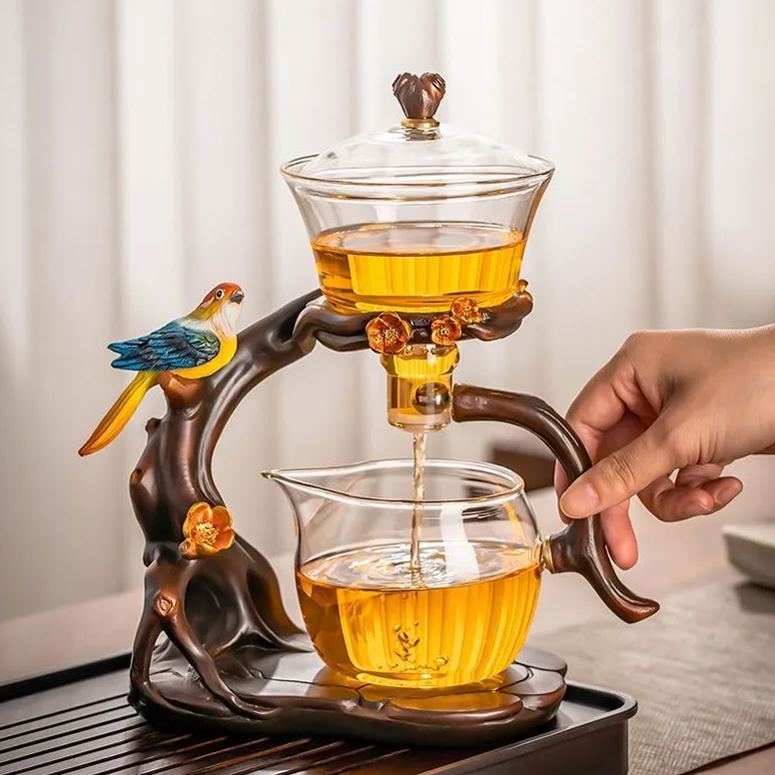
Glass Automatic Tea Set

That perspective changed gradually, beginning with a visit to a local tea shop where I watched a master tea preparer work with precision and care. The difference between their results and my home attempts was stark and impossible to ignore. The flavors were more nuanced, the aromas more captivating, and the entire experience more satisfying. I left that shop with a new curiosity about what proper gongfu tea set could offer.

Understanding Gongfu Tea Set

Before diving into specific products and recommendations, it is worth understanding what gongfu tea set actually means and why it matters. At its core, this concept represents an approach to tea preparation that prioritizes quality, consistency, and the overall experience rather than just the end result.

The world of gongfu tea set encompasses a wide range of equipment, techniques, and philosophies. Some practitioners focus on traditional methods passed down through generations, while others embrace modern innovations that simplify the process without sacrificing quality. Both approaches have merit, and the best choice depends largely on individual preferences, lifestyle, and goals.

What I have learned through my exploration is that gongfu tea set is not about snobbery or exclusivity. It is about respecting the ingredients and the process enough to give them proper attention. Just as a quality chef uses appropriate tools and techniques to bring out the best in their ingredients, proper tea preparation requires equipment and methods that honor the complexity of the leaves.

The benefits of investing in quality gongfu tea set equipment extend beyond just taste. There is a meditative quality to the preparation process when done properly. The attention required, the sensory engagement, and the anticipation of the final result all contribute to a moment of mindfulness in an otherwise busy day. This aspect alone has made the investment worthwhile for me.

My Research Journey

Once I decided to explore gongfu tea set more seriously, I embarked on what became a three-month research project. I was not looking to make a quick purchase; I wanted to understand the landscape thoroughly before committing to any particular approach or equipment.

This research involved multiple components. I read extensively, consuming books, articles, and academic papers about tea preparation, equipment design, and the science of brewing. I watched countless videos demonstrating different techniques and products. I visited specialty shops and spoke with experts who had dedicated years to understanding the nuances of gongfu tea set.

During this period, several products consistently emerged as recommendations from multiple sources. The Glass Automatic Tea Set appeared again and again in discussions about reliable, well-designed equipment. The Triangular Glass Set was frequently mentioned for those interested in a more traditional approach. And the Smart Magnetic Tea Maker seemed to bridge the gap between convenience and quality.

Triangular Glass Set

What struck me during this research phase was the generosity of the tea community. Unlike some hobbyist communities that can be gatekeeping or elitist, the gongfu tea set enthusiasts I encountered were eager to share knowledge and help newcomers avoid common mistakes. Their insights proved invaluable as I navigated the many options available.

Making the Investment

After weeks of consideration, I decided to purchase the Glass Automatic Tea Set. This decision was not made lightly, as the investment represented a significant amount of money for what some might consider a simple kitchen tool. However, I had come to view it differently—as an investment in daily quality of life rather than just a functional purchase.

The ordering process was straightforward, and the product arrived carefully packaged with clear instructions and helpful documentation. I appreciated that the manufacturer had put thought into the entire experience, not just the product itself. This attention to detail suggested a company that cared about customer satisfaction beyond the initial sale.

Unboxing the Glass Automatic Tea Set was my first real experience with quality gongfu tea set equipment. The weight, the materials, the construction—all suggested careful design and manufacturing. This was clearly not mass-produced disposable equipment but something built to last and perform consistently.

First Impressions and Learning

My first attempts with the Glass Automatic Tea Set were humbling. Despite all my research, I discovered that there is a significant difference between theoretical knowledge and practical skill. My initial brews were decent but not exceptional, and I began to worry that I had overhyped the equipment in my mind.

However, I persisted, adjusting my technique based on the results I was getting. I paid attention to water temperature, steeping time, and leaf quantity. I experimented with different teas to understand how the equipment interacted with various types. Slowly but surely, my results improved.

By the end of the second week, I was producing tea that clearly surpassed anything I had made before. The flavors were more defined, the aromas more pronounced, and the overall experience more satisfying. The learning curve had been worth the effort, and I began to understand why enthusiasts spoke so passionately about their gongfu tea set equipment.

What surprised me most during this learning phase was how much I enjoyed the process itself. The ritual of preparation, the attention to detail, the anticipation of the final result—all became sources of pleasure rather than chores to be completed. This unexpected benefit has proven to be one of the most valuable aspects of my gongfu tea set journey.

Daily Integration

Now, after six months of daily use, the Glass Automatic Tea Set has become an integral part of my morning routine. It is not something I think about consciously anymore; it is simply how I make tea. The process has become automatic in the best possible way—effortless yet still engaging.

The consistency of results has been remarkable. Whether I am brewing delicate white tea, robust black tea, or complex oolong, the equipment performs reliably. This consistency has allowed me to explore a wider range of teas than I ever would have attempted with my previous setup, knowing that the equipment will not be a limiting factor.

My coffee consumption has decreased significantly since integrating quality gongfu tea set into my routine. This was not a conscious decision to cut back but rather a natural shift in preference. When the tea experience is this satisfying, it simply becomes the preferred option for most situations.

Friends and family who have visited during this period have noticed the difference. Several have commented on the quality of tea I serve, and a few have been inspired to explore gongfu tea set equipment for themselves. Sharing this discovery with others has added another layer of enjoyment to the experience.

Technical Performance

For those interested in the technical aspects of gongfu tea set equipment, I want to share some specific observations about the Glass Automatic Tea Set after months of regular use. These details might seem minor to casual observers, but they contribute significantly to the overall experience.

The heat retention properties are excellent, maintaining optimal brewing temperature throughout the preparation process. This consistency is crucial for extracting the full flavor potential from tea leaves, and it is an area where cheaper equipment often falls short. The difference in final results is noticeable and significant.

Material quality is another important factor. The components used in the Glass Automatic Tea Set do not impart any unwanted flavors or odors to the tea, which was a problem I experienced with previous equipment. The purity of flavor this allows has opened up new appreciation for subtle tea varieties I previously found unremarkable.

Maintenance has been simpler than I expected. Regular cleaning is straightforward, and the equipment has shown no signs of wear or degradation despite daily use. This durability suggests that the initial investment will be spread over many years of service, making the cost per use quite reasonable.

Comparative Analysis

Since acquiring the Glass Automatic Tea Set, I have had opportunities to experience other gongfu tea set options through friends and tea shops. These comparisons have helped me understand where my equipment stands in the broader landscape and what alternatives might suit different preferences.

The Triangular Glass Set offers a different approach to gongfu tea set that emphasizes traditional methods and aesthetics. While my equipment prioritizes consistency and convenience, this alternative focuses on the ritual and engagement of the preparation process. Both have merit, and the choice between them depends on individual priorities.

The Smart Magnetic Tea Maker occupies an interesting middle ground, combining some modern conveniences with traditional design principles. For those uncertain about which direction to take, this option provides a balanced introduction to quality gongfu tea set without committing fully to either extreme.

Smart Magnetic Tea Maker

What these comparisons have taught me is that there is no single best option in gongfu tea set. The right choice depends on how you plan to use the equipment, what aspects of tea preparation you value most, and what compromises you are willing to make. Understanding your own preferences is the first step toward making a satisfying purchase.

Honest Limitations

In the interest of complete transparency, I want to acknowledge the limitations and drawbacks I have encountered with the Glass Automatic Tea Set. No product is perfect, and understanding these limitations is essential for making an informed decision about whether this equipment is right for your needs.

The most significant limitation is the price. Quality gongfu tea set equipment represents a substantial investment that not everyone can justify or afford. While I believe the value justifies the cost for serious tea enthusiasts, casual drinkers may find the expense difficult to rationalize.

Space requirements are another consideration. The Glass Automatic Tea Set requires dedicated storage and counter space that may not be available in smaller kitchens. This practical constraint could be a dealbreaker for those with limited space, regardless of how appealing the equipment might be otherwise.

There is also a learning curve that may frustrate those seeking immediate results. While the equipment is well-designed, achieving optimal results requires practice and patience. Those looking for instant perfection may be disappointed by the initial experience.

Recommendations

Based on my six months of experience with gongfu tea set equipment, I can offer some guidance for those considering a similar investment. These recommendations come from genuine experience rather than theoretical knowledge, and I hope they help others navigate this decision.

First, be honest about your tea consumption habits. If you drink tea daily and view it as an important part of your routine, quality equipment will provide significant value. If you are an occasional drinker, the investment may not be justified by your usage patterns.

Second, consider your priorities. Do you value convenience and consistency, or do you prefer engagement and ritual? Different gongfu tea set equipment caters to different preferences, and understanding your own priorities will guide you toward the right choice.

Third, do not rush the decision. Take time to research, ask questions, and if possible, try different options before committing. The tea community is generally welcoming to newcomers, and most enthusiasts are happy to share their experiences and recommendations.

Final Reflections

Six months ago, I was skeptical about whether gongfu tea set could truly make a meaningful difference in my daily life. Today, I am convinced that the right equipment, used thoughtfully, can transform an ordinary routine into something genuinely enjoyable.

The Glass Automatic Tea Set has not just improved my tea; it has improved a small but significant part of my day. The morning ritual of preparation has become a moment of calm before the demands of work and life take over. This benefit, while difficult to quantify, has proven to be the most valuable aspect of my investment.

For those considering entering the world of gongfu tea set, my advice is to approach it with an open mind and realistic expectations. The equipment is a tool, not a magic solution. Its value depends entirely on how you use it and what you bring to the experience.

If my experience resonates with you, I encourage you to explore further. Visit specialty shops, talk to enthusiasts, and consider what quality gongfu tea set might add to your own daily routine. The journey has been worthwhile for me, and it may be for you as well.

Learn more about the Glass Automatic Tea Set

This review reflects my personal experience with gongfu tea set over six months of daily use. I purchased this equipment myself and was not compensated for my opinions. Individual results may vary, and I encourage readers to research thoroughly before making their own decisions.

Tea Gift Ideas | Tea Equipment & Guide

Tea Gift Ideas: Thoughtful Presents for Tea Lovers

Finding the perfect gift for a tea lover can be challenging. After years of giving and receiving tea-related gifts, I’ve learned what truly resonates. This guide shares my insights on selecting meaningful tea gifts.

Why Tea Gifts Matter

Quality tea equipment is a gift that keeps giving. Unlike consumables, a beautiful teapot becomes part of someone’s daily ritual, reminding them of your thoughtfulness every time they use it.

Gift Ideas by Budget

Under $50

Quality loose-leaf tea, beautiful tea cups, or a small teapot. I’ve given many gifts in this range, and they’re always appreciated.

$50-$150

$150+

Choosing the Right Gift

Consider Their Tea Preferences

Do they prefer green, black, oolong, or pu-erh? This influences equipment choice. Oolong and pu-erh lovers benefit from gongfu sets, while green tea enthusiasts might prefer glass teapots.

Think About Their Lifestyle

Busy professionals appreciate magnetic teapots. Ritual-focused individuals prefer traditional ceramic. Aesthetic-conscious people value beautiful glass designs.

Quality Over Quantity

One beautiful, functional teapot is better than multiple cheap alternatives. I’ve found that recipients truly value quality gifts.

Presentation Matters

I always include a handwritten note explaining why I chose this particular gift. This personal touch transforms a nice gift into a meaningful one.

Gift Combinations

Pairing equipment with quality tea creates a complete gift. I often combine a teapot with a selection of premium loose-leaf teas.

Why These Gifts Work

  • They’re practical and beautiful
  • They encourage daily mindfulness
  • They show genuine thoughtfulness
  • They last for years
  • They become part of someone’s cherished routine

Related Resources

This guide is based on my personal experience giving and receiving tea gifts.

Office Tea Break | Tea Equipment & Guide

Office Tea Break: Reclaim Your Midday

My office tea break has become the most restorative part of my workday. In a high-stress environment, this 10-minute pause with quality tea has proven more valuable than any productivity hack. This guide shares how to create a meaningful tea break at work.

Why Office Tea Breaks Matter

I’ve noticed that my afternoon productivity and decision-making quality improve significantly on days when I take a proper tea break. The mental reset, combined with the ritual’s calming effect, helps me approach challenges with fresh perspective.

Setting Up Your Office Tea Station

I keep a small teapot, cups, and quality tea at my desk. This setup takes minimal space but provides maximum benefit. The key is having everything accessible so the break feels effortless.

Best Equipment for Office Use

The Office Tea Break Ritual

Timing

I take my break mid-afternoon, around 3 PM, when energy typically dips. This timing maximizes the benefit.

Duration

10-15 minutes is ideal. Long enough to genuinely reset, short enough to maintain workflow.

Environment

I step away from my desk when possible. Even moving to a break room or window makes a difference.

Tea Selection for Work

I prefer teas that provide gentle energy without jitters. Green tea and white tea are my go-to choices. I avoid caffeine-heavy options that might interfere with evening sleep.

Benefits I’ve Observed

  • Improved afternoon focus and productivity
  • Better stress management
  • Reduced afternoon energy crashes
  • Improved relationships with colleagues (shared breaks)
  • Better work-life balance perception

Making It Work in Your Office

  • Start small—even 5 minutes helps
  • Use a magnetic teapot for convenience
  • Keep tea at your desk for accessibility
  • Protect this time—don’t check email during breaks
  • Invite colleagues to join for social connection

Related Resources

This guide reflects my personal office tea break practice and its genuine impact on my work experience.

Morning Tea Ritual | Tea Equipment & Guide

Morning Tea Ritual: Transform Your Day

My morning tea ritual has become the most important part of my day. What started as a simple caffeine fix has evolved into a mindfulness practice that sets the tone for everything that follows. This guide shares how quality equipment and intentional practice can transform your mornings.

Why Morning Tea Matters

I’ve noticed a significant difference in my focus, mood, and productivity on days when I take time for a proper tea ritual versus rushing through a quick cup. The 10-15 minutes I dedicate to tea preparation has become invaluable for mental clarity and emotional balance.

Creating Your Morning Tea Space

I’ve learned that environment matters. I’ve designated a quiet corner with my favorite teapot, cups, and a small table. This dedicated space signals to my mind that this time is sacred and separate from the day’s demands.

Recommended Equipment for Morning Tea

The Morning Tea Ritual

Step 1: Preparation (2 minutes)

I gather my equipment and select my tea. This simple act of intention-setting begins the ritual.

Step 2: Heating Water (3-5 minutes)

While water heats, I sit quietly. This pause before the day begins is therapeutic.

Step 3: Brewing (5-7 minutes)

I watch the tea brew, observing color changes and aromas. This sensory engagement is meditative.

Step 4: Savoring (5-10 minutes)

I drink slowly, without distractions. This is my time to set intentions for the day.

Tea Selection for Morning

I rotate between green tea for gentle energy and black tea for stronger invigoration. The variety keeps the ritual fresh and interesting.

Benefits I’ve Experienced

  • Improved focus and mental clarity
  • Better emotional regulation throughout the day
  • Reduced morning stress and anxiety
  • Stronger sense of intentionality
  • Better sleep quality (when using appropriate teas)

Tips for Success

  • Wake 15 minutes earlier to accommodate the ritual
  • Use quality tea—it makes a difference
  • Eliminate distractions (phone, email, news)
  • Invest in equipment you genuinely enjoy using
  • Be consistent—the benefits compound over time

Related Resources

This guide is based on my personal morning tea practice and the genuine benefits I’ve experienced.

The Complete Gongfu Tea Guide | Learn Traditional Chinese Tea Brewing

The Complete Gongfu Tea Guide

Gongfu tea has transformed my understanding of what tea can be. What began as curiosity about traditional Chinese methods has become a daily practice that brings genuine joy and mindfulness to my life. This comprehensive guide shares everything I’ve learned through years of hands-on experience.

What is Gongfu Tea?

Gongfu, meaning “skill” or “effort,” represents a philosophy of tea preparation that emphasizes precision, patience, and respect for the tea. From my experience, it’s not just about technique—it’s about the intentionality you bring to each brew.

The method uses small teapots (100-200ml), multiple short infusions (20-45 seconds each), and careful attention to water temperature. I’ve found that this approach reveals layers of flavor that longer steeping simply cannot achieve.

History and Origins

Gongfu tea has roots in Chinese tea culture dating back centuries. The practice emphasizes the art and skill involved in tea preparation, transforming a simple beverage into a meditative ritual. Understanding this history has deepened my appreciation for the practice.

Essential Equipment

The Teapot (Yixing)

Small ceramic pots from Yixing, China, are considered ideal. I’ve tested many, and the difference in quality is noticeable. A good Yixing pot improves with use, developing seasoning that enhances brewing.

Tea Cups

Small cups (30-50ml) allow you to appreciate the tea’s aroma and color. I use different cups for different teas.

Tea Tray

A wooden or bamboo tray catches water overflow and adds to the aesthetic experience.

Additional Tools

  • Tea scoop for measuring leaves
  • Tea strainer for catching loose leaves
  • Tea towel for wiping equipment
  • Water kettle for heating to precise temperatures

Recommended Equipment

Brewing Techniques

Step 1: Prepare Equipment

Rinse all equipment with hot water to warm them. This step ensures temperature consistency.

Step 2: Add Tea

Fill the teapot about 1/3 to 1/2 full with leaves. The amount depends on the tea type and your preference.

Step 3: Rinse Tea

Pour hot water over leaves, then immediately discard. This awakens the tea and removes dust.

Step 4: First Infusion

Pour hot water and steep for 20-30 seconds. Pour into cups, distributing evenly.

Step 5: Subsequent Infusions

Continue brewing, gradually increasing steeping time. Quality teas yield 5-8 infusions.

Best Teas for Gongfu

Oolong Tea

The most popular choice for gongfu brewing. Complex flavors that evolve with each infusion.

Pu-erh Tea

Aged teas that benefit from multiple infusions to fully develop their character.

Black Tea

High-quality varieties like Keemun or Lapsang Souchong work well with gongfu method.

White Tea

Delicate teas that require lower temperatures but reward careful brewing.

Water Temperature Guide

  • White Tea: 160-170°F
  • Green Tea: 160-180°F
  • Oolong Tea: 195-205°F
  • Black Tea: 200-212°F
  • Pu-erh Tea: 200-212°F

Why Gongfu Changed My Tea Practice

Before gongfu, I treated tea as a beverage. Now, it’s a meditation. The focused attention required, the sensory engagement, and the ritual itself have become as valuable as the tea itself.

Common Questions

Is gongfu difficult to learn?

Not at all. The basics take one session to learn. Mastery takes time, but that’s part of the appeal.

What’s the ideal water temperature?

It depends on the tea type. I use a thermometer for consistency.

How many infusions can I get?

Quality teas typically yield 5-8 infusions. Some exceptional teas yield even more.

Conclusion

Whether you’re exploring gongfu tea for the first time or refining your existing practice, quality equipment and knowledge are essential. We’re here to help you find the perfect tools for your tea journey.

This guide is based on my personal gongfu tea practice and experience over several years.

Best Magnetic Teapots | Premium Tea Equipment

Best Magnetic Teapots & Equipment

Magnetic teapots represent a fascinating intersection of modern technology and traditional tea brewing. After testing various magnetic models, I’ve come to appreciate how this innovation solves real problems while maintaining brewing quality.

How Magnetic Teapots Work

The magnetic mechanism automatically separates brewed tea from leaves after a set time. From my experience, this innovation is genuinely useful—it prevents over-steeping and ensures consistent results, especially when I’m busy or distracted.

Our Magnetic Teapot Collection

Advantages of Magnetic Teapots

Consistency

The automatic separation ensures every brew is consistent. I’ve noticed my tea quality has become more predictable since switching to magnetic.

Convenience

Perfect for busy mornings or when entertaining. No need to watch the clock—the mechanism handles timing.

Prevents Over-Steeping

One of my biggest frustrations with traditional teapots was forgetting about steeping tea. Magnetic teapots eliminate this problem entirely.

Using Magnetic Teapots Effectively

Setting the Timer

Most models allow you to adjust separation time. I recommend starting with 30 seconds and adjusting based on your preference.

Water Temperature

Temperature control remains important. I still use a thermometer to ensure optimal extraction.

Maintenance

Magnetic teapots are easy to maintain. The separation mechanism is reliable and requires no special care beyond regular cleaning.

Who Should Choose Magnetic?

If you value convenience without sacrificing quality, magnetic teapots are excellent. They’re particularly good for busy professionals or anyone who wants consistent results with minimal effort.

Related Categories

This guide reflects my personal experience with magnetic teapots.

Best Gongfu Tea Sets | Premium Tea Equipment

Best Gongfu Tea Sets & Equipment

Gongfu tea has transformed my relationship with tea entirely. What began as curiosity about traditional Chinese brewing methods has evolved into a daily practice that brings genuine joy and mindfulness to my routine. This guide shares what I’ve learned through hands-on experience.

Understanding Gongfu Tea

Gongfu, meaning “skill” or “effort,” represents a philosophy of tea preparation that emphasizes precision, patience, and respect. From my experience, it’s not just about the equipment—it’s about the intentionality you bring to each brew.

The method uses small teapots (100-200ml), multiple short infusions (20-45 seconds each), and careful attention to water temperature. I’ve found that this approach reveals layers of flavor that longer steeping simply cannot achieve.

Essential Gongfu Equipment

The Gongfu Brewing Process

Preparation

I start by warming all equipment with hot water. This step, which seemed unnecessary at first, actually makes a significant difference in temperature consistency.

Tea Selection

Oolong and pu-erh are ideal for gongfu brewing. I’ve experimented with other teas, but these two truly shine with this method.

The Brewing Ritual

Fill the teapot about 1/3 full with leaves. Pour hot water, immediately discard (this rinses the leaves). Then brew for 20-30 seconds, gradually increasing time with each infusion. I typically get 5-8 infusions from quality leaves.

Why Gongfu Changed My Tea Practice

Before gongfu, I treated tea as a beverage. Now, it’s a meditation. The focused attention required, the sensory engagement, and the ritual itself have become as valuable as the tea itself.

Common Gongfu Questions

Is gongfu difficult to learn?

Not at all. The basics take one session to learn. Mastery takes time, but that’s part of the appeal.

What’s the ideal water temperature?

For oolong: 195-205°F. For pu-erh: 200-212°F. I use a thermometer for consistency.

Related Categories

This guide is based on my personal gongfu tea practice and experience.

en_USEN
This site uses cookies to offer you a better browsing experience. By browsing this website, you agree to our use of cookies.