Archives par mois de publication: septembre 2026

Parts of a Teaset Explained: A Visual Guide for Beginners

Parts of a Teaset Explained: A Visual Guide for Beginners

Parts of a Teaset Explained: A Visual Guide for Beginners

Points clés à retenir

  • A standard teaset contains seven functional parts: teapot, teacups, infuser, lid, saucers, serving tray, and optional warming stand.
  • Each piece controls a specific stage of brewing — steeping, filtering, pouring, or serving.
  • Glass teapots are the most beginner-friendly choice because you can watch the leaves unfurl and the color deepen in real time.
  • Material choice (glass, porcelain, ceramic, cast iron) directly changes heat retention, flavor neutrality, and durability.
  • Before buying, match the teapot capacity to your typical guest count and verify that every part is food-safe and heat-resistant.

The parts of a teaset work as a single brewing system, not a collection of random cups and saucers. Once you know which piece controls which step of the brew, you stop guessing steeping time and start pouring tea with confidence. This guide walks you through every standard component, explains what each one does, and shows you how to pick a set that fits your daily routine without overpaying for pieces you’ll never use.

The 7 Essential Parts of a Standard Teaset

A complete teaset contains seven functional parts, and learning what each one does is the fastest way to feel confident buying, using, and caring for your set. Most beginners focus only on the teapot and overlook the smaller pieces that quietly control flavor, temperature, and presentation. Knowing the full lineup also protects you from overpaying for extras you don’t need.

  • Teapot — the brewing vessel where leaves and water meet
  • Teacups — typically 2 to 6 cups per set, sized for individual servings
  • Infuser or strainer — holds loose leaves during steeping or catches them as you pour
  • Lid — traps heat and moisture inside the pot during steeping
  • Saucers or coasters — sit beneath each cup to catch drips and protect your table
  • Serving tray — moves the whole set to the table in one motion
  • Warming stand or tea light — keeps the pot hot during long serving sessions

Not every set ships with all seven parts. Compact travel sets often drop the tray and warmer, while formal ceremonial sets add a pitcher, a tea towel, or a storage tin. The smartest purchase is the one whose included parts match how you actually drink tea at home.

The Teapot: Where Brewing Actually Happens

The teapot is the heart of the teaset and the single piece that determines how your tea will taste. It controls three brewing variables at once: water temperature, leaf-to-water ratio, and steeping time. A well-designed teapot gives you consistent results; a poorly designed one makes every cup a gamble.

Size, Capacity, and Shape

Teapot capacity is measured in milliliters or ounces and ranges from a single-serve 250 ml pot to a large 1.5 L pot for groups. For one or two daily drinkers, a 450–600 ml pot is the practical sweet spot. For couples or small gatherings, 800 ml–1 L works better. The shape matters because a taller, narrower pot retains heat longer, while a wider, shorter pot cools faster but extracts faster — useful for white and green teas.

Material Matters: Glass, Porcelain, Ceramic, and Cast Iron

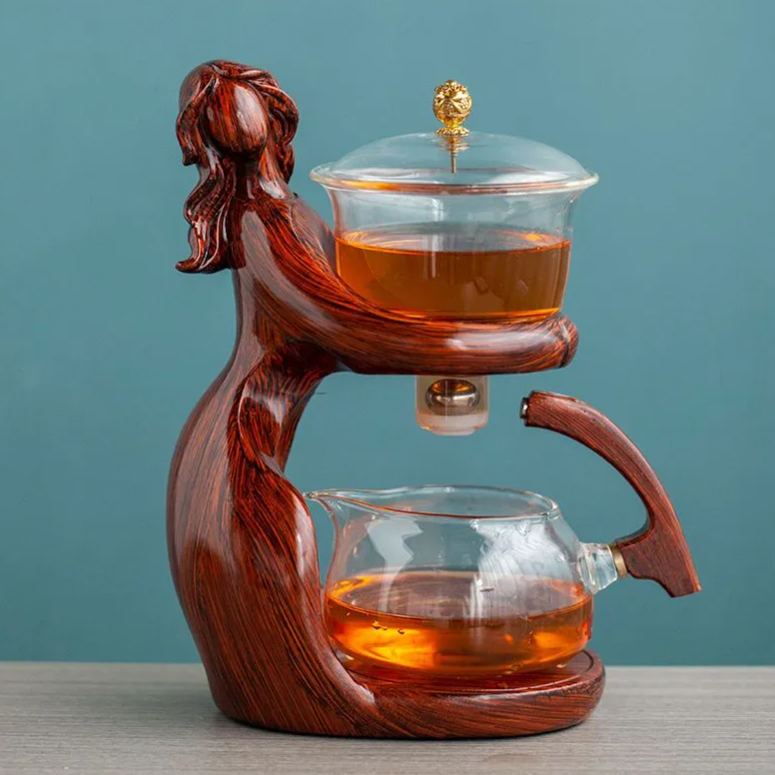
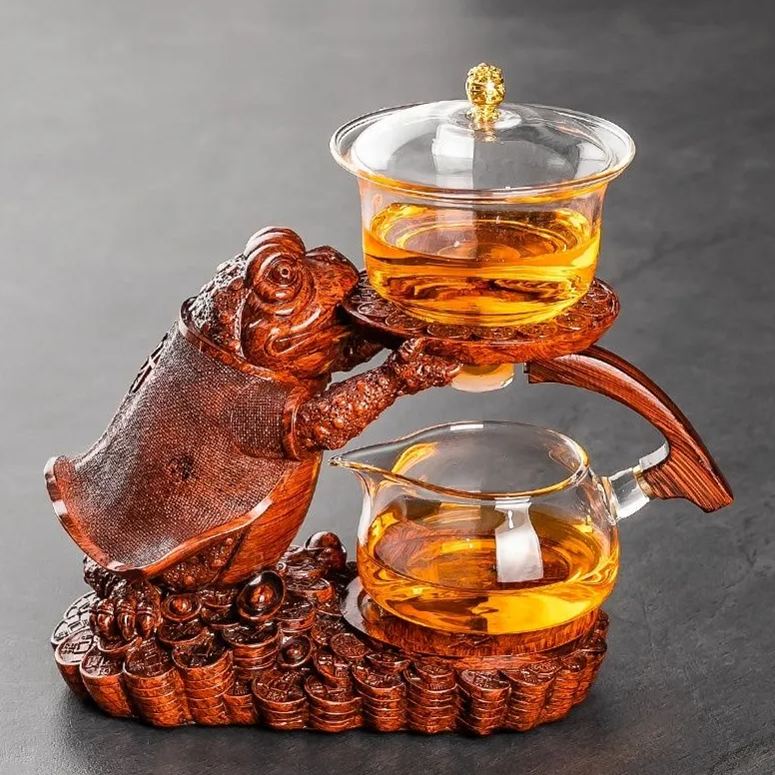
Glass teapots have become the default beginner choice because the transparent walls let you watch leaves unfurl and color deepen, removing the guesswork from steeping time. Les théières en verre are also flavor-neutral, so the pot never adds taste to the brew. Porcelain and ceramic pots retain warmth longer and feel more traditional, but they hide the leaves. Cast iron pots (tetsubin) are heavy, retain temperature extremely well, and are typically used in Japanese or Chinese ceremonies, though they are not ideal for green tea because the iron can react with tannins. For most new buyers, a borosilicate glass teapot offers the best balance of clarity, heat resistance, and price.

Teacups: The Vessel That Defines the Experience

Teacups are the only part of the teaset that actually touches your lips, so their size, shape, and material directly shape how the tea smells, cools, and feels in your mouth. A cup that’s too wide cools too fast and lets aroma escape; one that’s too narrow traps heat and concentrates bitterness. The cup is more than decoration — it’s a flavor delivery tool.

Cup Size and Drinking Style

Traditional Chinese gongfu cups run tiny (30–50 ml) because the tea is brewed strong in a small pot and poured many times. Western-style teacups run 150–250 ml for a single relaxed mug. Japanese yunomi cups are taller and have no handles because they rest in the hand, warming the tea from the outside. Choose a cup size that matches the strength and number of infusions you plan to drink.

Material and Heat Retention

Porcelain cups are the gold standard for taste testing because porcelain does not absorb aroma or flavor between uses. Ceramic cups are warmer in the hand and more casual. Glass cups — sometimes shipped with glass teapot sets — let you see the color of the brew, which helps beginners judge strength. Always confirm the cup is microwave-safe if you plan to reheat, and check that the inner glaze is fully vitrified so the cup won’t stain over time.

The Infuser: Controlling the Leaves

The infuser is the part that holds the loose leaves during steeping and is the single most underrated component of any teaset. A weak infuser lets tiny particles escape into your cup, creating gritty grime at the bottom of every pour. A good infuser gives you full leaf expansion, even water flow, and clean removal at exactly the right moment.

Built-In vs Removable Infusers

Built-in infusers sit inside the pot and lift out with a small handle after steeping. They are convenient because the leaves never touch the table or sink. Removable infusers — usually a mesh basket or ball — are easier to clean and let you adjust steep depth, but they require a separate rest or dish. Many modern tea sets now combine both: a stainless steel basket infuser with a lid that doubles as a saucer.

Mesh Size and Material

Infuser mesh size matters more than material for most teas. A wide, coarse mesh (1–2 mm) works for large-leaf teas like oolong and puffer, where you want maximum leaf expansion. A fine mesh (under 0.5 mm) is required for broken-leaf black teas, rooibos, and any herbals that shed small particles. Stainless steel mesh is the easiest to clean and will not rust, while silicone and plastic infusers are cheaper but can absorb odors over time. For serious loose-leaf drinkers, an extra-fine stainless mesh basket is the upgrade worth making.

The Strainer, Lid, and Saucer: Small Parts, Big Roles

The smallest parts of a teaset are often the easiest to overlook, yet they each solve a specific problem that affects the taste, temperature, and cleanliness of every pour. Skipping any of these usually shows up as sediment in the cup, cold tea, or stained furniture.

The Strainer: Catching Escaped Leaves

A strainer sits on or inside the spout and catches leaf fragments that slip past the infuser. Without a strainer, even a good infuser will leak fine particles into the cup. Built-in strainers are cleaner but harder to clean; removable strainers rinse in seconds. For beginners brewing in a glass teapot without an infuser, a small stainless strainer resting on the cup is the simplest, cheapest solution.

The Lid: More Than a Cover

The lid traps steam inside the pot during the brew, which keeps the water temperature stable and the aroma concentrated. It should fit snugly without sealing, and most lids have a small hole or knob that lets steam escape. If the lid lifts when you pour, the pot is poorly balanced — a common sign of cheap construction. Glass lids let you peek inside without lifting, which is one more reason glass teapots with glass lids have become so popular with beginners.

Saucers and Coasters

Saucers catch drips, protect the table from heat, and give the drinker somewhere to rest a wet tea bag or used infuser. Porcelain saucers are the standard; cork or bamboo coasters are a modern, eco-friendly alternative. Either way, every cup in the set should have its own saucer — mismatched saucers break the visual flow and can wobble under heavier ceramic cups.

Optional Accessories: Trays, Warmers, and Pitchers

Optional accessories turn a basic teaset into a serving setup, and knowing which ones are worth the extra spend saves you from buying clutter. Not every set needs every accessory, and the right extras depend entirely on how you serve tea at home.

  • Serving tray — moves the whole set to the table in one trip and prevents spills during transport. Wood and bamboo are traditional; melamine and acrylic are easier to clean.
  • Tea light warmer — a small stand that holds a lit candle under the pot to maintain temperature during long sessions. Best for black, oolong, and puffer teas that are brewed in multiple short steeps.
  • Pitcher or fairness cup — used in gongfu brewing to ensure every cup gets the same strength when pouring multiple short infusions.
  • Storage tin or canister — keeps loose-leaf tea fresh between sessions, especially important for green and white teas that degrade quickly in open air.
  • Tea towel — used to dry the pot between rinses and wipe the spout after pouring, preventing drips down the side of the pot.

For beginners, the most useful accessory is a serving tray. It is the one extra that immediately makes the set feel complete and protects your table during the first months of daily use. Pitchers and fairness cups only become important once you move into multi-steep gongfu brewing.

How to Choose a Teaset That Actually Fits Your Routine

The right teaset is the one whose parts match how often you brew, how many people you serve, and what type of tea you drink most. Before comparing prices or designs, answer three quick questions: how many cups do you pour on a typical day, what teas do you drink most, and where will you store the set when it’s not in use. Those answers narrow the choice from dozens of styles down to one or two.

If you want a manual setup, a stainless mesh infuser, a 600–800 ml porcelain pot, and four 200 ml cups will handle most daily needs. This setup is affordable, easy to clean, and works with both bagged and loose-leaf teas. The trade-off is that you have to watch the clock yourself and lift the infuser out by hand at the right moment.

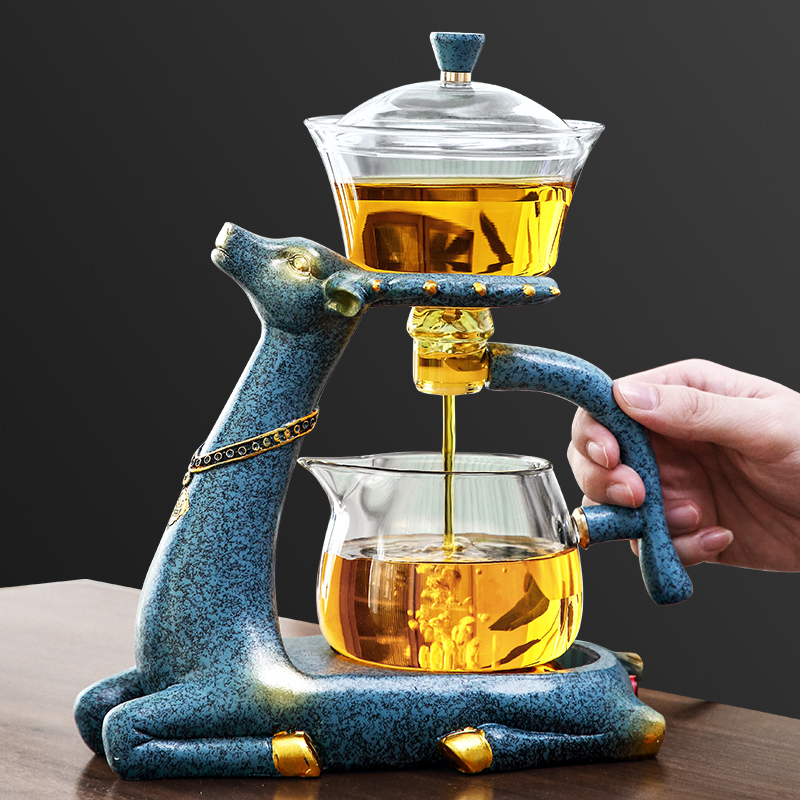
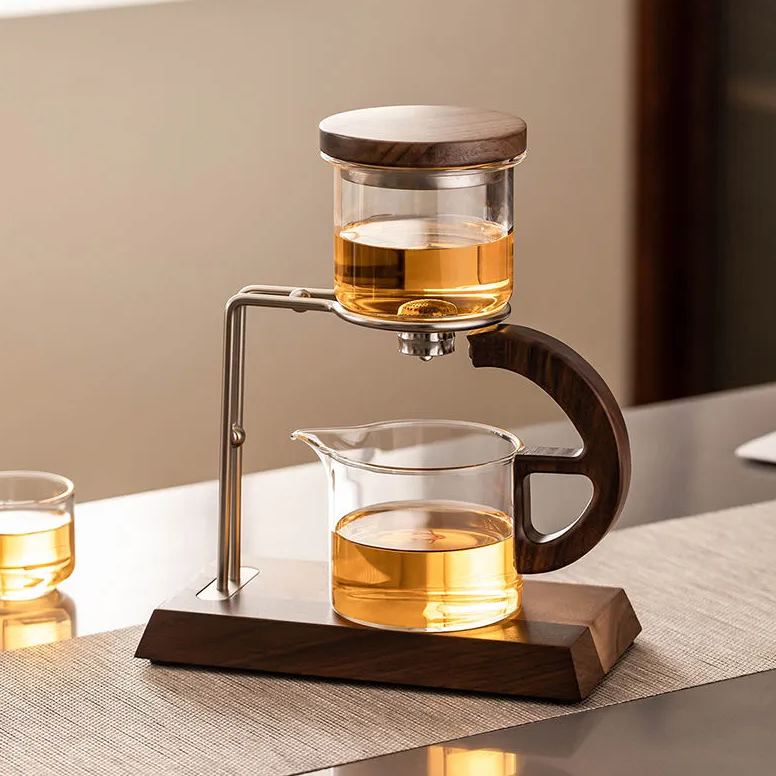
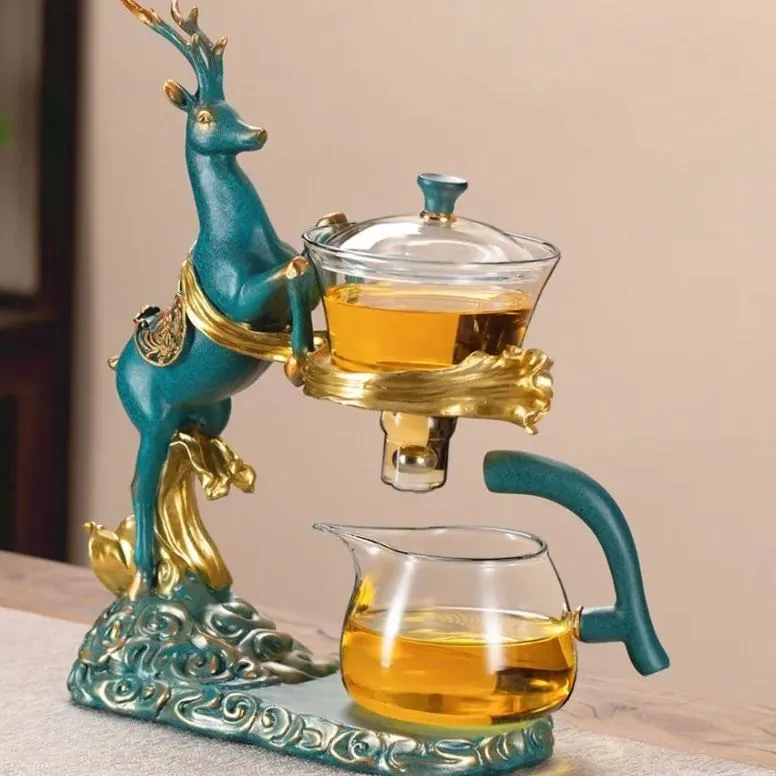
If you want to skip the manual work, a glass teapot with a built-in stainless infuser does this automatically — you watch the color deepen through the glass walls and lift the basket out at exactly the right moment, with no guesswork. The borosilicate glass handles boiling water without cracking, the wide base heats evenly on a stovetop or kettle, and the transparent design doubles as a visual timer. For anyone brewing loose-leaf tea for the first time, this is the easiest upgrade you can make.

For deeper comparison, see our full analyse comparative théière en verre vs céramique, or read the official Tea Association of the USA history guide for background on how the parts of a teaset evolved into what we use today.

Frequently Asked Questions About Parts of a Teaset

What are the basic parts of a teaset?

A standard teaset includes a teapot, teacups, an infuser or strainer, a lid, saucers, and often a serving tray. Optional accessories include a warming stand, fairness pitcher, and storage tin. The exact count depends on the style — Chinese gongfu sets typically have many small parts, while Western sets usually contain 5–7 pieces.

Is a teapot the same as a teaset?

No. A teapot is a single piece — the brewing vessel. A teaset is the full collection of pieces designed to work together for brewing, steeping, pouring, and serving. Buying just a teapot means you’ll need to source matching cups, saucers, and an infuser separately.

Do I need a saucer under every teacup?

Yes. Saucers catch drips from the cup, protect the table from heat, and provide a place to rest a wet tea bag or used infuser. Formal teasets always include one saucer per cup, and mixing mismatched saucers usually looks awkward and may not sit level under the cup.

What is the difference between an infuser and a strainer?

An infuser holds the loose leaves inside the pot during steeping and is usually a mesh basket or ball. A strainer sits at the spout or on the cup and catches leaf fragments that escape past the infuser. Many modern teapots combine the roles with a built-in fine-mesh basket.

Can I brew loose-leaf tea without an infuser?

Yes, but the tea will be full of floating particles. The simplest workaround is to brew loose leaves directly in the pot and pour through a small mesh strainer into each cup. The cleaner long-term solution is to add a removable stainless mesh infuser or buy a pot with a built-in basket.

Réflexions finales

Understanding the parts of a teaset turns tea drinking from a guessing game into a controlled, repeatable ritual. Every piece — from the main pot down to the smallest saucer — has a defined job, and learning those jobs is the fastest path to better-tasting tea at home. Start with a clear material (glass is the most beginner-friendly), pick a size that matches your daily serving count, and confirm every piece is food-safe and heat-resistant. Once those basics are locked in, the rest of the teaset — infusers, saucers, trays — falls into place naturally. If you’d rather skip the trial-and-error, a complete glass teapot set gives you every part you need in one box, with a built-in infuser and matching cups ready to brew on day one.

fr_FRFR
Ce site utilise des cookies pour vous offrir une meilleure expérience de navigation. En parcourant ce site web, vous acceptez notre utilisation des cookies.