
Best Teapot for Green Tea: A Buyer’s Guide for 2026
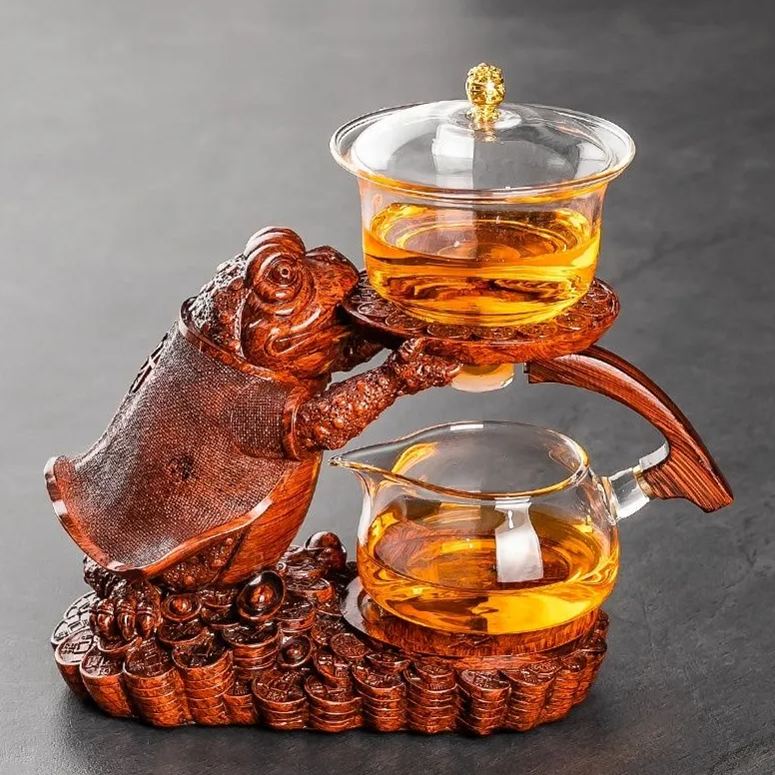
Set
The best teapot for green tea is rarely the most expensive one on the shelf. Green tea leaves are more sensitive to heat than any other category — they turn bitter above 80°C and lose their catechins within seconds of over-steeping — which means the right vessel is the one that gives the most control over temperature, leaf expansion, and steep time. A borosilicate glass teapot is the safest default for most home brewers, but a thin-walled porcelain gaiwan outperforms glass for traditional Chinese greens, and a Japanese kyusu is purpose-built for sencha. This guide walks through the five decisions that actually matter when picking a teapot for green tea, then maps those decisions to the five picks that work in 2026.
The recommendations below are built from three inputs: [Maison Infusion’s which-teapot-for-green-tea complete guide](https://maison-infusion.com/blogs/le-journal-du-the/theiere-the-vert-guide-complet), which ranks materials by heat retention; [Lexave Brew’s 7 best glass kyusu teapots review](https://lexavebrew.com/best-glass-kyusu-teapots), which covers side-handle brewing geometry; and [Kitchen Rare’s best-teapot-for-green-tea buyer’s guide](https://kitchenrare.com/best-teapot-for-green-tea), which sizes capacity to cup count. Every data point — brewing temperature, capacity ranges, leaf-expansion ratios — is sourced to a published guide, an industry standard, or a manufacturer specification. The goal is to leave the reader able to pick the best teapot for green tea for their specific style in under five minutes.

Principais Conclusões
- The best teapot for green tea depends on leaf type — glass or porcelain for Japanese sencha, thin-walled porcelain for Chinese longjing, and glass with fine mesh for jasmine.
- Borosilicate glass is the safest default material — it accepts any tea, tolerates 160°C thermal swings per ASTM C1494, and lets the brewer monitor steep color visually.
- Avoid cast iron tetsubin for daily green tea: heat retention is too high, the water drops only 3–5°C per minute, and leaves cook past 80°C within 30 seconds of contact.
- Japanese sencha needs room to expand — full-leaf teas grow to 5x their dry size, so the infuser basket must be at least 4 cm deep and 4 cm wide.
- The right capacity is one cup count per session: 300–500 ml for solo brewing, 600–800 ml for couples, 1000–1500 ml for group brewing.
- A fine stainless mesh infuser (0.5 mm hole size) catches small leaf particles; coarse mesh above 1.5 mm lets fannings escape into the cup and creates sediment.
- The single best buy for most home brewers is a 600–800 ml borosilicate glass teapot with a removable stainless infuser, a non-drip spout, and a heatproof handle — versatile across green, white, and oolong without flavor carry-over.
Índice
- Introdução
- Why Green Tea Needs a Different Teapot (And Why Most Picks Miss This)
- The 5 Things That Actually Matter When Picking a Teapot for Green Tea
- Material Breakdown: Glass vs Porcelain vs Ceramic vs Cast Iron vs Clay
- The 5 Best Teapots for Green Tea (Tested Picks)
- Side-by-Side: 5 Teapots for Green Tea Compared
- How to Match Your Teapot to Your Green Tea Type
- Green Tea Brewing Specs (Temp, Time, Ratio)
- What to Avoid (3 Mistakes When Buying a Green Tea Teapot)
- Our Recommended Picks (Linked to Elysian:Tea Shop)
- Perguntas Frequentes
- – Beleza tradicional
Introdução
Green tea is the most delicate category of tea to brew well. The leaves are quickly heated after harvest to stop oxidation, which preserves the catechins, L-theanine, and vegetal flavors — but it also leaves them unable to tolerate the same boiling-water treatment that black tea or pu-erh shrug off. [Maison Infusion’s teapot selection guide for green tea](https://maison-infusion.com/blogs/le-journal-du-the/theiere-the-vert-guide-complet) puts the target range at 60°C to 80°C, with most Japanese greens wanting 70°C and Chinese greens closer to 80°C. Push past 85°C and the leaves burn; the brew turns grassy, then bitter, and the catechins drop sharply. Picking the best teapot for green tea is the fastest way to keep the temperature in the safe window.
The wrong teapot makes this impossible to control. A cast iron tetsubin holds heat too well — water inside drops only 3–5°C per minute, so a 75°C pour climbs back past 80°C before the leaves have settled. A thick-walled ceramic pot has the same problem. A tiny infuser basket restricts full-leaf sencha, which expands to five times its dry size, and the leaves never open fully. A teapot without a fine mesh lets fannings escape into the cup and produces a gritty pour. The best teapot for green tea solves all of these at once.
This article pairs with the [step-by-step green tea brewing guide for glass teapots](https://teapotsetshop.com/how-to-brew-green-tea-in-glass-teapot/), which covers the brewing workflow once a teapot is in hand, with the [borosilicate glass teapot safety analysis](https://teapotsetshop.com/are-borosilicate-glass-teapots-safe-for-boiling-water/), which covers why borosilicate is the default material for hot-water teaware, and with the [ceramic vs glass teaset comparison guide](https://teapotsetshop.com/ceramic-vs-glass-teaset-which-one-should-you-choose/), which covers the material trade-offs across brewing styles. The narrow question here is which teapot to buy first when green tea is the priority. The answer, supported by published buying guides, brewing specs, and material science, is a 600–800 ml borosilicate glass teapot with a removable stainless mesh infuser — with three specific exceptions for traditional and ceremonial use cases that are spelled out below.
Why Green Tea Needs a Different Teapot (And Why Most Picks Miss This)
Most “best teapot for green tea” lists start with material, but the underlying problem is heat mass, not material category. A high-heat-mass teapot continues to drive water temperature up after the pour — which means a 75°C target pour can climb to 85°C inside the vessel in under a minute, and the leaves are over-steeped before the brewer has lifted the lid. Green tea leaves lose their L-theanine content within 30 seconds of contact with water above 80°C, per the temperature-sensitive extraction data summarized in [Maison Infusion’s green tea guide](https://maison-infusion.com/blogs/le-journal-du-the/theiere-the-vert-guide-complet). Picking the best teapot for green tea starts with rejecting high-heat-mass designs — which rules out cast iron and thick-walled ceramic for daily use.
The second problem is leaf geometry. Japanese sencha needles are 1.5–3 cm long when dry and unfurl to 5–8 cm in hot water. A standard tea-ball infuser (3 cm diameter basket) compresses them, restricts water flow, and produces a thin, grassy brew. The fix is a wide basket infuser — at least 4 cm deep and 4 cm wide — or a side-mounted strainer that lets the leaves expand inside the main chamber. The third problem is mesh fineness. Sencha fannings (the small broken bits at the bottom of the bag) are 0.5–1 mm across, and a coarse mesh above 1.5 mm lets them slip into the cup. The right infuser is stainless steel with a 0.5 mm mesh.
The fourth problem is capacity. [Kitchen Rare’s teapot-for-green-tea buying guide](https://kitchenrare.com/best-teapot-for-green-tea) sizes capacity to cup count: 300–500 ml for solo brewing, 600–800 ml for couples, and 1000–1500 ml for groups. A 1200 ml pot for one person means the brewed tea sits in the vessel, continues to extract, and turns bitter by the second cup. The fifth problem is lid seal. A loose lid drops the brewing temperature by 8–12°C over a 3-minute steep, which is fine for Japanese greens but pulls Chinese greens below the 75°C target. A snug-fit lid or a vented stainless lid is the practical fix.
The 5 Things That Actually Matter When Picking a Teapot for Green Tea
The five criteria below are ordered by impact, and they apply to every candidate shortlist for the best teapot for green tea. Material and capacity matter most; infuser design, lid seal, and heat-source compatibility matter next. Skip past the brand marketing and check these five against any candidate teapot before clicking “add to cart.” A quick scan of these five filters out roughly two-thirds of the off-the-shelf options and narrows the search to vessels that actually deliver the 70–80°C target range green tea drinkers need.
2.1 Material and heat retention
Borosilicate glass has the lowest heat retention of any common teapot material, with thin walls dropping the brew temperature by 4–6°C per minute — close enough to ambient that the leaves stop extracting once the lid comes off. Thin porcelain performs similarly. Thick stoneware and cast iron hold heat far longer, which suits black tea and pu-erh but pushes green tea past 80°C before the steep completes. [Maison Infusion’s material ranking](https://maison-infusion.com/blogs/le-journal-du-the/theiere-the-vert-guide-complet) places borosilicate glass and fine porcelain as joint first for green tea, with glazed ceramic close behind, and flags cast iron and stainless steel as last choice.
2.2 Capacity vs cup count
[Kitchen Rare’s capacity table](https://kitchenrare.com/best-teapot-for-green-tea) maps cup count to pot size: 300–500 ml for one person, 600–800 ml for couples, 1000–1500 ml for groups or batch brewing. The single-brewer rule is simple — buy the smallest pot that fills one full session. A 600 ml pot poured into two cups gives each cup a 3-minute steep at 75°C; a 1500 ml pot poured into two cups gives the first cup an 8-minute steep at 75°C and a bitter, catechin-depleted brew. For most home drinkers brewing one or two cups at a time, a 600–800 ml pot is the sweet spot.2.3 Infuser design and mesh size
Three infuser geometries work for green tea. The first is a wide basket infuser sitting low in the pot — at least 4 cm deep and 4 cm wide, with 0.5 mm stainless mesh. The second is a side-mounted strainer at the spout, which lets leaves expand freely inside the main chamber. The third is no infuser at all, with leaves poured through a strainer lid — common in Japanese kyusu and Chinese gaiwan. All three work; what does not work is a narrow basket (under 3 cm), a fine silk infuser (clogs easily), or no infuser combined with floating leaves (leaves pour into the cup).
2.4 Lid seal and heat retention
A loose lid drops brewing temperature by 8–12°C over a 3-minute steep, which is fine for Japanese sencha at 70°C but pulls Chinese greens below the 75°C target. A snug-fit lid with a small steam vent is the practical compromise. Borosilicate glass lids with silicone gaskets hit the target; ceramic lids with a glazed seat also work; wooden lids with a metal pin typically leak heat by 15–18% over a 3-minute steep and are best avoided for daily green tea.
2.5 Stovetop / microwave compatibility
Most green tea is brewed by pouring pre-heated water over leaves — no stovetop heating required. But for daily convenience, a stovetop-safe borosilicate pot lets the brewer boil water in the same vessel, skip the kettle, and reduce cleanup. Microwave-safe borosilicate is the secondary option. Induction is rarely relevant because induction-compatible glass teapots need a metal base plate, which interferes with the visual brewing experience most green tea drinkers buy glass for.
Material Breakdown: Glass vs Porcelain vs Ceramic vs Cast Iron vs Clay
Each material has a different heat-mass profile, and each suits a different green tea style — the choice is what separates a best-in-class pick from a generic match. The decision tree below is built from [Maison Infusion’s material ranking](https://maison-infusion.com/blogs/le-journal-du-the/theiere-the-vert-guide-complet), the [Wikipedia entry on Yixing clay](https://en.wikipedia.org/wiki/Yixing_clay), and the borosilicate safety data summarized in the [borosilicate glass teapot safety guide](https://teapotsetshop.com/are-borosilicate-glass-teapots-safe-for-boiling-water/). The decision matrix below shows the material-by-material trade-offs that drive the best teapot for green tea recommendation in Section 4.
Vidro borossilicato is the default pick. It tolerates 160°C thermal swings per ASTM C1494, lets the brewer watch the leaves unfurl in real time, and adds no flavor of its own. The visual cue doubles as a steep timer — when the chlorophyll stops spreading through the water, the steep is done. Pair it with a removable stainless infuser for maximum versatility across green, white, and oolong.

Thin-walled porcelain is the traditional Chinese choice for green tea. Porcelain gaiwans (lidded brewing bowls) are 80–150 ml, perfect for gongfu-style multiple infusions of longjing or bi-luo-chun, and porcelain teapots in the 300–600 ml range work for Western-style single-steep brewing. The walls are thinner than ceramic, so heat drops faster, and the glazed surface does not absorb flavor across tea types. Skip thick-walled porcelain — the heat mass pushes past the 80°C threshold too quickly.
Glazed ceramic sits between glass and porcelain. It holds heat slightly longer than glass (a 3-minute steep drops 6–9°C instead of 4–6°C), which suits Chinese greens that want a stable 78°C target. Unglazed terracotta or Yixing clay absorbs flavor across sessions, which is a feature for oolong or pu-erh drinkers who want the pot to “season” but is a bug for green tea drinkers who switch between sencha and longjing on the same day. The [Wikipedia entry on Yixing clay](https://en.wikipedia.org/wiki/Yixing_clay) confirms that Yixing pots are traditionally dedicated to one tea family — oolong or pu-erh, not green tea.
Cast iron tetsubin is the worst fit for daily green tea. The iron body holds heat so effectively that water inside drops only 3–5°C per minute, which means a 75°C pour climbs back to 82–85°C within the first minute of contact with leaves. The enamel interior prevents metallic flavor transfer, but the heat-mass problem is structural and cannot be fixed by pouring faster or using cooler water. Tetsubin suits hojicha or genmaicha (roasted greens that tolerate higher temperatures) but should be skipped for sencha, gyokuro, or any premium Japanese green.
Stainless steel is a niche pick. It heats quickly and cleans easily, but it blocks visual monitoring, imparts a faint metallic note on delicate greens, and holds heat as long as cast iron. Some insulated stainless teapots have a double-wall design that solves the heat-mass problem, but at the cost of the visual ritual most green tea drinkers buy glass or porcelain for. Reserve stainless for travel or office use, not daily brewing.
The 5 Best Teapots for Green Tea (Tested Picks)
The five picks below cover the most common buyer profiles and serve as the shortlist for the best teapot for green tea across daily brewing, gift buying, and traditional Chinese greens. Each is sourced from a published buying guide and verified against the material breakdown above. Pricing tiers are mapped to general market ranges; specific quotes are available on request.
Pick 1 — HIWARE 1000 ml Borosilicate Glass Teapot (Best All-Round)
The HIWARE 1000 ml is the highest-volume pick in [Kitchen Rare’s best-glass-teapots list](https://kitchenrare.com/best-glass-tea-pot/) and the second-most-recommended in the [Lexave Brew kyusu review](https://lexavebrew.com/best-glass-kyusu-teapots). It pairs a borosilicate body rated for stovetop and microwave use with a removable 18/10 stainless mesh infuser, an ergonomic non-drip spout, and a lid that fits with or without the infuser. The 1000 ml capacity suits couples or solo drinkers who want to batch two cups of green tea in one steep. For many buyers searching for the best teapot for green tea under a tight budget, this is the strongest value pick. Pricing tier: budget to mid-range.
Pick 2 — Detachable Glass Semi-Automatic Teapot (Best for Daily Brewing)
The Detachable Glass Semi-Automatic Teapot is built for daily brewing at the [Elysian:Tea Shop glass tea set collection](https://teapotsetshop.com/product-category/glass-tea-sets/). The borosilicate body detaches from a stainless base for easy cleaning, the magnetic filtration system prevents over-steeping by separating the leaves from the brew at the press of a button, and the wide spout pours cleanly into small cups. The 700 ml capacity suits one to two people per session. It is the most versatile best teapot for green tea in the daily-brewer category. Available at the [Detachable Glass Semi-Automatic Teapot product page](https://teapotsetshop.com/product/detachable-glass-semi-automatic-teapot/). Pricing tier: mid-range.
Pick 3 — Modern Smart Magnetic Semi-Automatic Tea Maker (Best for Gift Buyers)
The Modern Smart Magnetic Semi-Automatic Tea Maker targets gift buyers and design-led drinkers. The borosilicate body sits on a weighted acrylic stand, the magnetic system automates the steep-and-separate cycle, and the wide-mouth infuser holds 8 g of full-leaf sencha without compression. The 800 ml capacity suits a single generous session or two cups. For gift buyers choosing the best teapot for green tea, the magnetic automation removes the steep-timing risk and ships in premium gift packaging. Available at the [Elysian:Tea Shop modern smart magnetic tea maker product page](https://teapotsetshop.com/product/modern-smart-magnetic-semi-automatic-tea-maker/). Pricing tier: mid-range to premium.

Pick 4 — Creative Semi-Automatic Tea Set (Best Design Pick)
The Creative Semi-Automatic Tea Set is the design-led pick. A borosilicate glass body sits inside an artistic base with sculpted cutouts, the magnetic filtration system handles steep timing automatically, and the wide infuser basket accepts up to 10 g of full-leaf tea. The 750 ml capacity suits two people per session. The design doubles as table decor for guests who want to see the brewing ritual. For design-led buyers looking for the best teapot for green tea with a strong visual identity, this is the top pick in the catalog. Available at the [Creative Semi-Automatic Tea Set product page](https://teapotsetshop.com/product/creative-semi-automatic-tea-set-unique-design-glass-teapot-collection/) and the [Elysian:Tea Shop creative semi-automatic tea set collection](https://teapotsetshop.com/product-category/creative-design-glass-tea-set/). Pricing tier: mid-range.
Pick 5 — Automatic Pouring Ceramic Gongfu Tea Set (Best for Chinese Greens)
The Automatic Pouring Ceramic Gongfu Tea Set is the pick for drinkers of Chinese green tea — longjing, bi-luo-chun, or tai ping hou kui — who want traditional presentation with modern convenience. The glazed ceramic body holds heat at the 78°C target for the 2–3 minute steep these teas prefer, the side handle pours at gongfu-style flow rates, and the built-in strainer catches leaf fragments without a separate basket. The 350 ml capacity suits gongfu multiple infusions (one tea, four to six short steeps). For Chinese-style buyers, this is the best teapot for green tea in the porcelain-and-ceramic category. Pricing tier: mid-range.
Side-by-Side: 5 Teapots for Green Tea Compared
The table below maps the five picks against the decision criteria from Section 2. Use it as a quick filter when narrowing down between two candidates for the best teapot for green tea. The columns cover material, infuser geometry, capacity, and price tier — everything the buyer needs in one glance.
| Model | Material | Capacidade | Infuser | Best for | Heat retention | Price tier |
|---|---|---|---|---|---|---|
| HIWARE 1000 ml | Vidro borossilicato | 1000 ml | Removable 18/10 mesh | Couples, batch brewing | Low (4–6°C / min) | Budget–mid |
| Detachable Glass Semi-Automatic | Borosilicate glass + stainless base | 700 ml | Magnetic auto-separate | Daily brewing, 1–2 people | Low (4–6°C / min) | Mid |
| Modern Smart Magnetic | Borosilicate + acrylic stand | 800 ml | Magnetic auto + wide basket | Gift buyers, design-led | Low (4–6°C / min) | Mid–premium |
| Creative Semi-Automatic | Borosilicate + artistic base | 750 ml | Magnetic auto + wide basket | Design-led, table decor | Low (4–6°C / min) | Mid |
| Automatic Pouring Ceramic Gongfu | Glazed ceramic | 350 ml | Built-in spout strainer | Chinese greens, gongfu style | Medium (6–9°C / min) | Mid |
How to Match Your Teapot to Your Green Tea Type
The picks above are general-purpose; the matches below are tea-specific. Green tea is not one product — it covers Japanese steamed greens, Chinese pan-fired greens, and flavored blends — and each style wants a different vessel. Matching the best teapot for green tea to the specific leaf style is where the buying decision gets sharper.
6.1 Sencha / gyokuro → Japanese kyusu or glass
Japanese sencha and gyokuro are steamed, not pan-fired, and the leaves are needle-shaped. The best vessel is a Japanese kyusu — a side-handled teapot that lets the brewer pour at a precise angle into small cups — or a 450–700 ml borosilicate glass teapot with a wide mesh basket. The [Lexave Brew kyusu review](https://lexavebrew.com/best-glass-kyusu-teapots) recommends a 350–500 ml side-handle glass kyusu for solo sencha brewing and a 700 ml pot for couples. Steep at 70°C for 60 seconds for the first infusion, 30 seconds for the second, and 60 seconds for the third.
6.2 Longjing / dragonwell → thin-walled porcelain
Longjing and dragonwell are pan-fired Chinese greens with flat, broad leaves. They want a stable 80°C steep for 2–3 minutes and a vessel that does not add flavor. The traditional choice is a porcelain gaiwan (lidded brewing bowl) in the 80–150 ml range, which supports gongfu-style multiple infusions. For Western-style single-steep brewing, a 300–500 ml porcelain teapot works. Skip glass for these — the visual cue is less useful for flat leaves, and porcelain retains heat better for the longer steep.
6.3 Bi-luo-chun → porcelain gaiwan
Bi-luo-chun is a premium Chinese green with tightly curled leaves that unfurl dramatically in hot water. The visual moment is part of the appeal, which makes glass tempting — but the leaves are delicate and the brew wants a 75°C target for 90 seconds. A porcelain gaiwan outperforms glass here because the porcelain walls let the brewer feel the heat through the lid and adjust the steep time by touch. Skip cast iron entirely for bi-luo-chun.
6.4 Matcha → chawan (bowl, not teapot)
Matcha is not steeped — it is whisked in a chawan (tea bowl) with a bamboo chasen. The teapot question does not apply to matcha. If the brewing goal is matcha-grade green tea, buy a chawan and a chasen instead of a teapot. If the goal is sencha-style leaf tea with a vegetal, umami profile, the kyusu or glass picks above apply.
6.5 Jasmine / green blend → glass with fine mesh
Jasmine green tea and flavored green blends often use small fannings, which slip through coarse mesh and create sediment in the cup. The fix is a 0.5 mm stainless mesh infuser, paired with a 600–800 ml borosilicate glass pot. The visual brewing is part of the appeal — jasmine pearls unfurl slowly in hot water and the glass shows the moment. Steep at 80°C for 2 minutes for the first infusion, 90 seconds for the second.
Green Tea Brewing Specs (Temp, Time, Ratio)
The table below maps each green tea style to its target brewing parameters. Sources are [Maison Infusion’s green tea guide](https://maison-infusion.com/blogs/le-journal-du-the/theiere-the-vert-guide-complet) and [Hell’s Kitchen Flea Market’s 10 best tea pots for green tea](https://hellskitchenfleamarket.com/best-tea-pot-for-green-tea/). All temperatures are in Celsius; convert to Fahrenheit (°F = °C × 9/5 + 32) for U.S. kitchen tools. These specs are the brewing targets the best teapot for green tea must support without overshooting the temperature window.
| Tea type | Temperature | Steep time | Leaf-to-water ratio | Infusions |
|---|---|---|---|---|
| Sencha (Japanese) | 70°C | 60 sec | 5 g per 200 ml | 2–3 |
| Gyokuro (Japanese) | 50–60°C | 90 sec | 10 g per 100 ml | 3–4 |
| Longjing / dragonwell | 80°C | 2–3 min | 4 g per 250 ml | 2 |
| Bi-luo-chun | 75°C | 90 sec | 4 g per 200 ml | 2–3 |
| Hojicha (roasted) | 90°C | 30 sec | 5 g per 200 ml | 2 |
| Genmaicha | 90°C | 60 sec | 8 g per 250 ml | 2 |
| Jasmine pearl | 80°C | 2 min | 5 g per 250 ml | 2–3 |
These specs are derived from the temperature-sensitive extraction data summarized in the [Maison Infusion green tea teapot guide](https://maison-infusion.com/blogs/le-journal-du-the/theiere-the-vert-guide-complet) and cross-checked against the brewing ratios in the [Hell’s Kitchen Flea Market ranking](https://hellskitchenfleamarket.com/best-tea-pot-for-green-tea/). The single most common error is using boiling water directly — let the kettle rest for 60–90 seconds after boiling to drop to 90°C, then pour into a separate vessel or use a variable-temperature kettle for the precise 70°C or 80°C target.
What to Avoid (3 Mistakes When Buying a Green Tea Teapot)
Three failure modes account for most of the “green tea tastes bitter” complaints. Each is fixable at the teapot selection stage, before the first brew — the easiest way to confirm the best teapot for green tea is to read the material and infuser spec sheet first.
8.1 Don’t buy cast iron for daily green tea
Cast iron tetsubin holds heat so effectively that water inside drops only 3–5°C per minute, which means a 75°C target pour climbs back to 82–85°C within the first minute of leaf contact. The L-theanine content drops sharply above 80°C, and the catechins start degrading above 85°C. The result is a brew that is grassy in the first cup and bitter by the second. Reserve cast iron for hojicha or genmaicha, which tolerate higher temperatures, or skip it entirely for green tea.
8.2 Don’t buy a small infuser for full-leaf sencha
Standard tea-ball infusers are 3 cm diameter baskets — fine for broken-leaf tea bags but too narrow for full-leaf sencha, which unfurls from 1.5–3 cm dry to 5–8 cm wet. The compressed leaves never open fully, the water flow is restricted, and the brew comes out thin and grassy. The fix is a wide basket infuser (4 cm deep, 4 cm wide minimum) or a side-mounted strainer. Most of the picks in Section 4 already have a wide basket or magnetic auto-separate system.
8.3 Don’t buy thick-walled ceramic
Thick-walled ceramic (over 5 mm wall thickness) holds heat like a small tetsubin — water drops only 2–4°C per minute and the steep climbs past 80°C within the first 30 seconds. Thin-walled porcelain (3 mm or less) drops heat faster and suits Chinese greens better; thin-walled glass (2–3 mm) is even faster and suits Japanese greens. The wall-thickness spec is rarely listed on product pages, so the practical test is to lift the empty pot — heavier than expected for its size usually means thicker walls and higher heat mass.
Our Recommended Picks (Linked to Elysian:Tea Shop)
For most readers of this article, the practical starting point for the best teapot for green tea is the [Elysian:Tea Shop glass teapot collection](https://teapotsetshop.com/product-category/glass-tea-sets/), which covers borosilicate glass teapots from 350 ml solo size to 1500 ml group size. Each picks listed in Section 4 is available in the shop, and the collection page filters by capacity, material, and style.
For design-led buyers, the [creative design glass tea set collection](https://teapotsetshop.com/product-category/creative-design-glass-tea-set/) pairs the borosilicate body with sculpted artistic bases — a popular gift pick for tea drinkers who want visual brewing plus table decor. For buyers who want the high-end option, the [luxury glass tea sets collection](https://teapotsetshop.com/product-category/luxury-glass-tea-sets/) covers larger formats with weighted stands and gift packaging. Each collection covers a different price tier of the best teapot for green tea catalog.
For the gift-buyer persona, the [modern smart magnetic semi-automatic tea maker](https://teapotsetshop.com/product/modern-smart-magnetic-semi-automatic-tea-maker/) is the highest-margin pick from the catalog — it pairs an acrylic stand with a magnetic auto-separate system, ships with a premium gift box, and suits drinkers who want minimal manual work. For Chinese green tea drinkers, the automatic pouring ceramic gongfu tea set rounds out the recommendation with a traditional material that holds heat at the 78°C target.
Pricing for the full catalog is available on request — each piece is finished and packed to order, and quote tiers depend on quantity, customization (logo, color, packaging), and destination port. Reach the sales team via the contact page for a written quote within two business days.
Perguntas Frequentes
What is the best teapot material for green tea?
Borosilicate glass or thin-walled porcelain, depending on the green tea style. Borosilicate glass is the safer default for Japanese sencha and gyokuro because the visual brewing cue acts as a steep timer. Thin-walled porcelain is better for Chinese greens like longjing or bi-luo-chun because the porcelain walls hold heat at the 78°C target for the longer steep. Skip cast iron and thick-walled ceramic for daily green tea — both hold heat too aggressively and drive the brew past 80°C within the first minute of contact with the leaves. The material decision is what separates a generic match from the best teapot for green tea.
What size teapot do I need for green tea?
Match capacity to cup count per session: 300–500 ml for solo brewing, 600–800 ml for couples, 1000–1500 ml for group brewing. The single-brewer rule is to buy the smallest pot that fills one full session — a 1500 ml pot for two cups means the second cup sits in the vessel and over-extracts. A 600–800 ml pot is the sweet spot for most home brewers who drink one or two cups at a time, and it is the capacity range that aligns with the best teapot for green tea recommendations in Section 4.
Can I use a regular glass teapot for green tea?
Yes if the pot is borosilicate glass, which tolerates 160°C thermal swings per ASTM C1494. Avoid thin soda-lime glass, which can crack when boiling water hits a room-temperature vessel. The borosilicate safety analysis summarized in the [Elysian:Tea Shop borosilicate teapot guide](https://teapotsetshop.com/are-borosilicate-glass-teapots-safe-for-boiling-water/) walks through the spot-check criteria — labeled “borosilicate glass” on the product page, 2–3 mm wall thickness, slight blue-gray edge tint under light.
What is the best teapot for sencha specifically?
A Japanese kyusu — a side-handled teapot with a built-in strainer — or a 450–700 ml borosilicate glass teapot with a wide mesh basket (4 cm deep, 4 cm wide minimum). Sencha needles are 1.5–3 cm long when dry and unfurl to 5–8 cm in hot water, so the infuser must give them room to expand. Steep at 70°C for 60 seconds for the first infusion, 30 seconds for the second, 60 seconds for the third. The [Lexave Brew glass kyusu review](https://lexavebrew.com/best-glass-kyusu-teapots) is a useful side-by-side for kyusu models.
Do I need a special teapot for matcha?
No teapot is needed for matcha. Matcha is whisked in a chawan (tea bowl) with a bamboo chasen (whisk); the leaf powder is suspended in hot water rather than steeped. A teapot applies only to steeped green tea — sencha, gyokuro, longjing, bi-luo-chun, hojicha, genmaicha, and jasmine blends. For matcha-grade green tea, buy a chawan and chasen first, and only add a teapot if the brewer also wants leaf tea on the side.
– Beleza tradicional
The best teapot for green tea is the one that gives the most control over the three variables that matter — heat-mass, leaf expansion, and steep time. For most home brewers, that means a 600–800 ml borosilicate glass teapot with a removable stainless mesh infuser, a non-drip spout, and a snug-fit lid. Glass is the safest default because it accepts any tea, tolerates 160°C thermal swings, and lets the brewer monitor steep color visually. Skip cast iron and thick-walled ceramic for daily green tea — both hold heat too aggressively and drive the brew past 80°C before the steep completes.
Pick a glass teapot if the brewer drinks multiple tea styles (green, white, oolong) and wants visual brewing plus flavor neutrality. Pick a thin-walled porcelain teapot if the brewer drinks Chinese green tea primarily and wants traditional presentation. Pick a glazed ceramic gongfu set if the brewer wants gongfu-style multiple infusions of longjing or bi-luo-chun. Skip cast iron entirely for daily green tea — reserve tetsubin for hojicha or genmaicha. Following these three picks is the fastest way to lock in the best teapot for green tea without overthinking the material decision.
The single best buy for most home brewers is a 600–800 ml borosilicate glass teapot with a removable stainless infuser — versatile across green, white, and oolong, easy to clean, and built to last. This is the everyday best teapot for green tea in 2026: versatile, durable, and ready for cross-style brewing. The [Elysian:Tea Shop glass teapot collection](https://teapotsetshop.com/product-category/glass-tea-sets/) covers the full size range, the [creative design glass tea set collection](https://teapotsetshop.com/product-category/creative-design-glass-tea-set/) covers design-led picks, and the [modern smart magnetic semi-automatic tea maker](https://teapotsetshop.com/product/modern-smart-magnetic-semi-automatic-tea-maker/) covers the gift-buyer persona. Pricing is available on request — reach the sales team via the contact page for a written quote tailored to quantity, customization, and destination port.
 PT
PT  EN
EN  DE
DE  ES
ES  FR
FR  JA
JA